What Does It Mean to Celebrate?

Reflections on Yom Ha’atzmaut in a Fractured Time

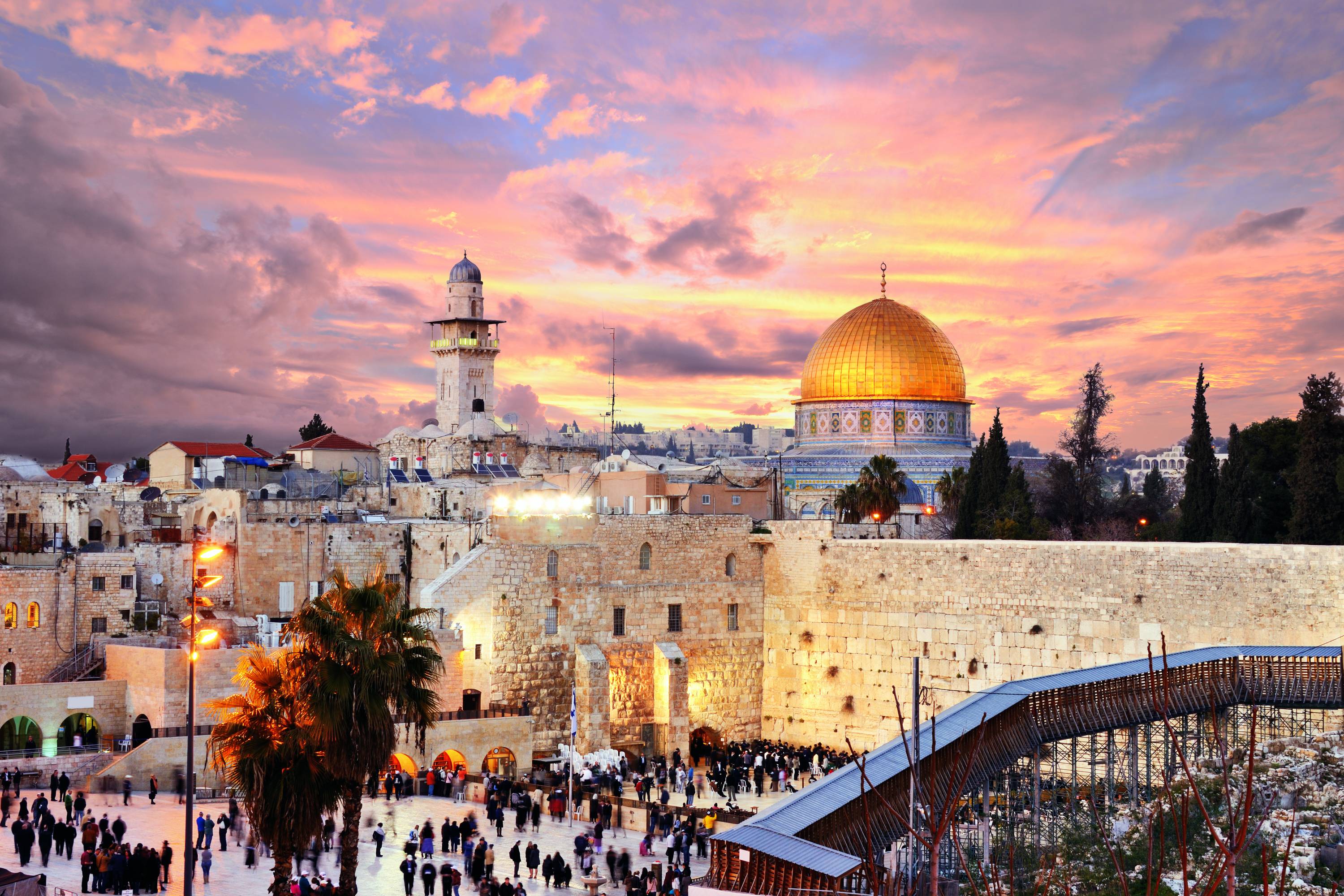
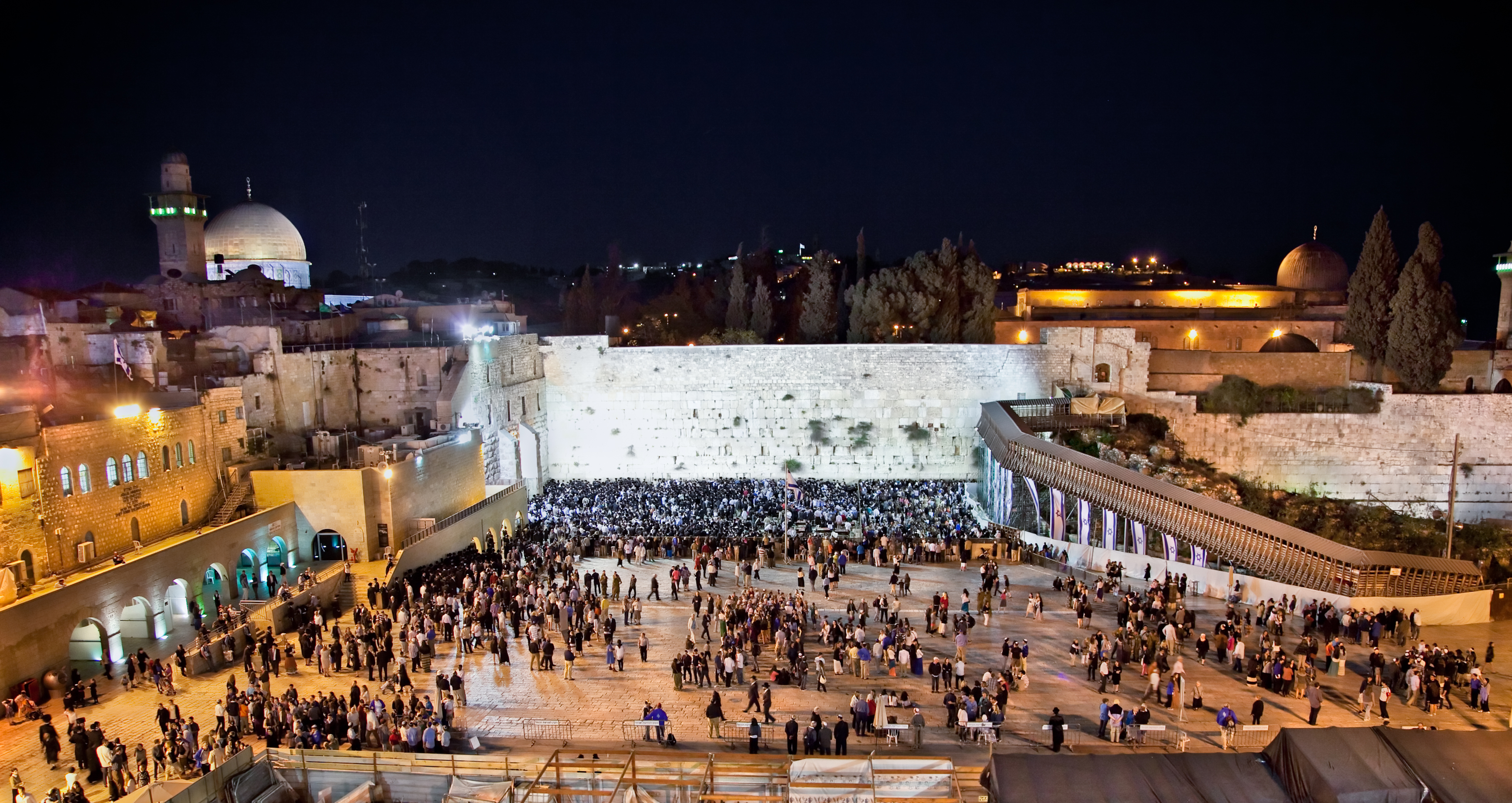
Yom Ha’atzmaut is here.

And I am not sure what to do with it this year.

I suspect I am not alone.

Some of us will celebrate with a brightness that feels slightly forced. Others will scroll past the blue-and-white posts on our feeds, unable to summon joy. Some will feel that celebrating at all is a kind of moral surrender — a looking away from things that cannot be ignored.

If any of this describes you, I want to be clear: your discomfort is not disloyalty. It shows how seriously you take what Israel was meant to be.

And if you find yourself in a different place from other Jews you love, people struggling just as honestly from the other direction, that too is part of this moment. There may not be a single right way to stand before this day, but there is a Jewish way to wrestle with it.

The Text We Keep Forgetting

I want to go back to May 14, 1948.

Not to the military maps or the political negotiations. To the document. To the words the founders actually chose when they had the chance to speak.

“The State of Israel will be based on freedom, justice and peace as envisaged by the prophets of Israel” — and commits to “complete equality of social and political rights to all its inhabitants irrespective of religion, race or sex.”

The founders did not reach for military might. Not for ethnic supremacy. Not even for simple survival. In their most solemn moment, they reached for the prophets. They staked this new state’s legitimacy on a moral vision — ancient, demanding, and unmistakably Jewish.

That is what Yom Ha’atzmaut is actually celebrating.

Not merely a military victory. Not a geopolitical fact. The moment a people declared they would return to their land and do so justly.

The Tradition They Invoked

They knew exactly which prophets they were citing.

Isaiah, who thundered that sacrifice without justice is an abomination. Amos, who declared that God despises our festivals when the poor are crushed at the gates. Micah, who distilled the entire Torah into three obligations: do justice, love kindness, walk humbly.

These were not gentle voices. They were Israel’s most demanding lovers, celebrating the covenant and indicting its betrayal in the same breath, sometimes even in the same verse. They never abandoned Israel when it failed. They held it, fiercely, to its highest self.

That is the tradition Yom Ha’atzmaut places us in.

Not cheerleading. Not abandonment. Something harder and more honorable than either: prophetic loyalty.

The prophets never argued that Israel’s struggles forfeited its right to exist. Nor did they suggest that Israel’s existence placed it beyond accountability. They said something more demanding than either: precisely because this people is called to something higher, the gap between that calling and the present reality must be named, mourned, and closed.

The Gap We Cannot Pretend Away

The Declaration is not a historical artifact. It is a living covenant — and covenants make demands.

So let me name what the Declaration’s own language requires us to ask.

There are wars that were both existential and necessary. Wars whose courage deserves to be honored without hesitation or qualification. And there are military and political choices whose necessity is genuinely disputed — whose costs have fallen heavily on people who did not choose them.

There is an occupation now entering its sixth decade. The Declaration promised equality and justice. For millions of people who have known nothing else, the daily reality of life without sovereignty or legal recourse is a standing question addressed directly to the founders’ vision.

There is violence carried out by those who claim the land in the name of Jewish values — desecrating both the land and those values in the same act.

And there is a sustained assault on judicial independence — the very institution standing between the state’s founding promises and their erosion. When accountability is dismantled, the gap between aspiration and reality stops being painful and becomes permanent.

I am not making a partisan argument. I am holding the present up to the Declaration’s own words.

To name these things is not to delegitimize Israel. It is to hold Israel to its own founding covenant.

That is, in fact, the most Jewish act we can take.

What the Rabbis Already Knew

Jewish tradition has already given us a framework for exactly this kind of complexity.

On the last days of Passover, we recite only half Hallel — the psalms of praise — rather than the full Hallel.

The reason is arresting.

When the angels wanted to sing as the Egyptians drowned in the sea, God stopped them. “My creatures are drowning, and you want to sing songs?” According to tradition, full joy is morally unavailable when others are suffering, even when that suffering follows from our own necessary deliverance.

Yom Ha’atzmaut does not call for half Hallel. The miracle of Jewish sovereignty — a people returning from the literal ashes of history to reestablish a state in their ancestral homeland — is real, extraordinary, and worthy of full-throated celebration.

But perhaps not a Hallel entirely untroubled, either.

Not because the miracle is diminished. Because the vision the founders declared is not yet fully realized, and people are suffering in the shadow of that gap.

This is not despair. This is Jewish moral honesty.

The refusal to let celebration become anesthesia.

The Most Counter-Intuitive Thing I Want to Say

To celebrate Yom Ha’atzmaut is not to endorse the present.

It is to hold the present accountable to the founding promise.

When we gather, sing, and mark this day, we are not saying: everything is fine. We are saying: this vision is worth everything, but it is not yet complete. We are not done, and we refuse to walk away.

To stop celebrating is to abandon the field, to concede that the gap between aspiration and reality is simply how things are.

To celebrate without reckoning is to betray the vision and to turn a covenant into a tribal rally.

The prophetic answer, the Jewish answer, is to do both, fully, in the same breath.

Sing because the miracle is real.

Grieve because the distance from the vision is real.

Reject the false choice between love and conscience, because genuine love has never required us to close our eyes.

The prophets did not love Israel less for naming its failures. They loved it more, precisely because they refused to let it become less than it was called to be.

An Invitation

This Yom Ha’atzmaut, let your celebration be the most serious thing you do.

Sing — because seventy-seven years ago, a people who had just walked through fire stood up and declared they would live, build, and do so with justice. That deserves every note.

Grieve — because the distance between that declaration and today’s reality is not minor, and pretending otherwise dishonors the founders and those living in the shadow of that gap.

And then sit with this question, not as rhetoric but as a real question I am asking you directly:

What does my love for this state truly require of me?

Not what it permits. Not what it excuses.

What does it require?

That question — taken seriously and wrestled with honestly — may be the most Zionist act of all.

חַג עַצמָאוּת שָּמֵאח

A meaningful and searching Independence Day.
What now?

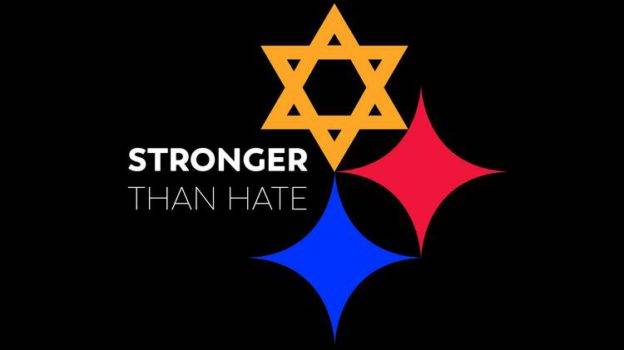
With the marking of Sheloshim for the victims in Pittsburgh and the passage of time, an important question is now being raised, where do we go from here?  Or more simply put, What Now? 

In the aftermath of tragedy, it is important to rebuild and move forward.  In response to a natural disaster, the need to rebuild is clear.  Houses, infrastructure, all of the things physicallydamaged or destroyed need to be put back into place, often rebuilt from scratch.  But with a disaster of this nature, the rebuilding is not so clearly defined.  What is the enduring message we want our rebuilding to carry?  

How do we honor the legacy of those taken from us, the outpouring of support from the greater community, the lastingJewish values that have kept our people and our tradition and will continue to do so?  Other difficult but important questions to consider include these:  Anti-violence training prompted someone to ask how can she run to safety, when saving herself means she leaves behind the more vulnerable?  Another question, how do we practice hospitality and welcome people into our Jewish homes (synagogues), when the front door is locked or attended by an armed guard?  How can we feel safe when anti-Semitic incidents are not only on the rise, but  finding new levels of public acceptance?

There is an urge to rebuild the physical structures quickly, to return to normal and stand up to the hatred with defiance.   But there was an important lesson learned from rebuilding lower Manhattan post 9/11.  The deliberate but protracted process achieved amazing results.  What was no longer is and recreating something from before does not acknowledge the event that has irrevocably changed us.  The memorials honor the event and the human tragedy as well as the spirit of courage, hope and love.  So too, the Shanksville memorial that I visited on my return from Pittsburgh is a moving and thoughtful tribute to the brave men and women on that fateful flight, United #93.  It is prudent to resist the temptation to act too quickly, opting instead for aslower and deliberative process.  The result will hopefully become an enduring symbol of strength, courage, hope and love, the best aspirations of our tradition.  

The process of recovery will take time.  It is a natural desire to try to shorten, if not deny, the grieving process.  But our tradition clearly understands the importance of this special time.  We grieve and then slowly begin the process of reintegrating ourselves into life with the experience and pain of loss a new part of us.  Only then might we gain a new perspective.  And from this perspective, we can create something honoring those we have lost and promoting our values for the sake of the generations to come.

Living a Meaningful Life, we begin Elul with Parsha Re’eh

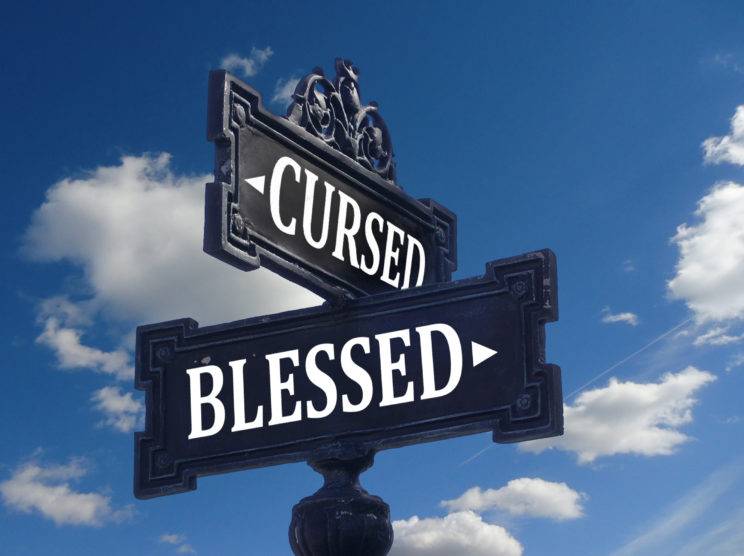
In the Torah, Moses sets out a choice for us this past week.  Blessings and curses.  It is a deceptively easy binary choice.  Given good stuff or bad stuff as alternatives, it seems like a no-brainer.  I opt for the good stuff!

But it’s really not so simple.  For what does that mean for us to choose the Blessings,  especially to us in the modern world?  That is the fundamental question to consider in the month of Elul, leading up to the Yamim Noraim, these special High Holidays.  Perhaps we, like our ancestors, are metaphorically also on the verge of entering into our own Promised Land. It is more complicated than: Choose Blessings and you go in; Choose Curses and you stay out.  Because it is about more than entering The Land; it is about living fully while there, possessing it and becoming one with it.

During Elul, as we prepare for Rosh Hashanah and Yom Kippur, we ponder the choices we make in our lives.  As we reflect on the year past, we see successes and failures. And as we look ahead, we use this understanding to chart our course.   Are we on the path we want to be on, the one we should be on, the one we need to be on?  And presuming we have been blown off course by the winds and currents of life, how do we right our ship and get back on our path?

Elul is our time to consider these questions.  Before we can ask for forgiveness we need to know where we went astray and maybe understand why.  Before we can ask to be written in the book of life, we need to know what it means to choose a life of blessings so that this coming year brings us meaning and connection.  Then we are able to approach the Divine to make things right and set a course forward for a year where we deliberately choose blessings, knowing what they are and how we might pursue them.

L’Shanah Tova!

Passover and Legacy

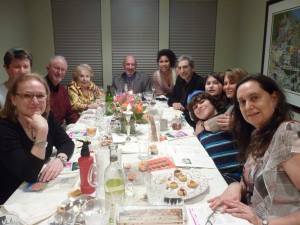
As we share Passover at the Seder table this year, notice that it is in the process of change.  We are instructed to remember the Exodus experience and to consider as though we experience it ourselves as we participate in the reenactment.  But this tradition evolves; with each generation, we fashion the Seder into something that is uniquely ours.

I recall the Seders of two generations ago, the seemingly endless table that ran from room to room of the small apartment in the Bronx or the small home in Queens.  These are wonderful memories from long ago and much of those traditions continue on.  But our current Seder will be different from those of my past.  For example, an Orange and Olives will find themselves on our current Seder Plate and Miriam’s cup will be prominently placed alongside Elijah’s. Instead of asking the four questions, I will lead (to the extent my boisterous family will permit).  We will read from a Hagaddah fashioned by my niece with interpretations and questions that resonate with her generation.  For they are the future.

The Seder will continue to progress as the next generation of our family steps into the role of leadership and we slowly cede our positions leadership and authority, hopefully becoming Elders with positions of respect and wisdom.  This is the natural progression of things.  For each of us must embrace our understanding of the Jewish experience not only as a communal experience but as something uniquely our own.  This was the tradition will be a meaningful part of our identity combining ritual with relevance.

At the Seder table, we can each look to either side (figuratively or literally), seeing our parents and what they have bequeathed to us and seeing our children as they fashion and shape Judaism as their own.  This is the blessing of our legacy; family and historic community forming an unbroken chain linking us all together.

Wishing everyone a Joyful Pesach.  Chag Pesach Sameach! and Shabbat Shalom

Do we Deserve our Kids?

Our tradition speaks at great lengths about filial obligations, the responsibilities of children to honor and revere their parents. Likewise, much is written about our obligations as parents to raise children properly, to teach them, and to prepare them for the world. But do we teach them Torah when we do not live it our selves? We do not teach them to build a better world but instead how to selfishly survive in it.

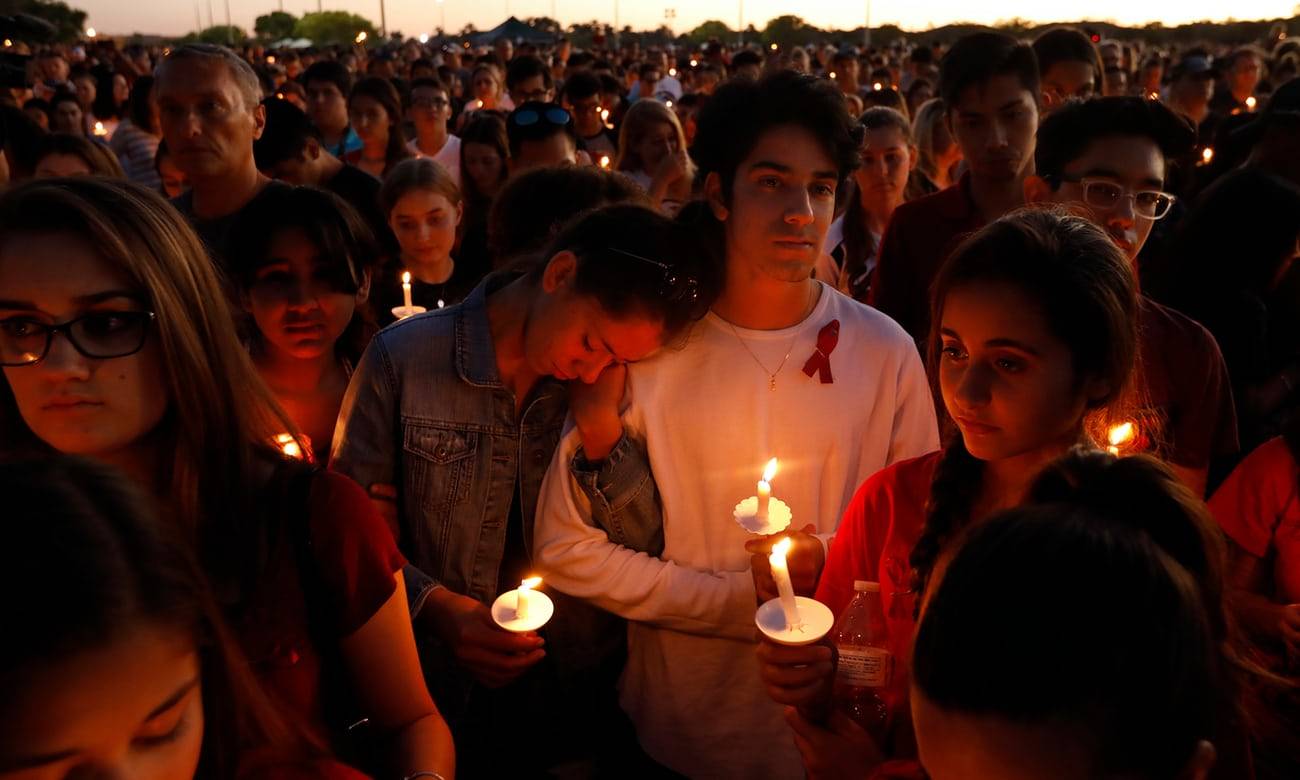
We offer them a world based on material gain, our nation withdrawing from its predominant place in the world, communal strife, a political system challenging the legitimacy of its fundamental institutions, and an economy that will burden them with almost intolerable crushing debt. We have not built a better world for them. And yet, these young people have galvanized in the wake of the Parkland horror. And that gives me hope. For even though we have not done right by them, they seek changes that will benefit us all.

Do we deserve our kids? That remains an open question until we begin to act as though they truly are the most prized things in our lives. We can start by supporting them in their efforts to address gun violence, this grievous wrong in our society that has murdered so many of them. Support them as they raise their voices, join them as they march in March. Help make the world they inherit better than what we have now.


Jerusalem still weeps this Shabbat

As the President of the United States declared Jerusalem the capital of Israel, the various players had expected reactions. Many in Israel cheered, Arab Nations jeered, but really nothing has changed. The President officially recognized the de facto situation; Jerusalem is the capital of Israel. However, peace had not been advancing between parties and it seems unlikely this declaration does anything to move it forward. The two sides remain filled with mistrust of the other and neither is willing to budge from their respective recalcitrant positions. The status quo remains. Jerusalem, the City of Peace, sadly is not at peace.

We welcome Shabbat singing Lecha Dodi. In this mystical song-poem, Jerusalem is anthropomorphized; we prayerfully exhort that she shakes off the dust and embarrassment of a world that has forsaken what she represents to Jews and to humanity. I sing those verses with an ambivalent heavy heart every Friday night, struggling with why peace has not yet come to the place where God dwelled.

Jerusalem remains a city divided and in a state of unrest. Sadly, she is unable to bring unity to her people Israel, or to brothers and sisters who also share a vision of belonging. She is mine, but she belongs to others too. Jerusalem, The City of Peace still remains an elusive dream. An outside declaration or moving an embassy changes nothing. Only the will of those who truly seek her can realize the dream that Jerusalem is a holy center for humankind and the aspiration of peace on earth.

Shabbat Shalom.

Shine into the Darkness, The Message we mean to send

“ I know you think you understand what you thought I said but I’m not sure you realize that what you heard is not what I meant”                              ― Alan Greenspan

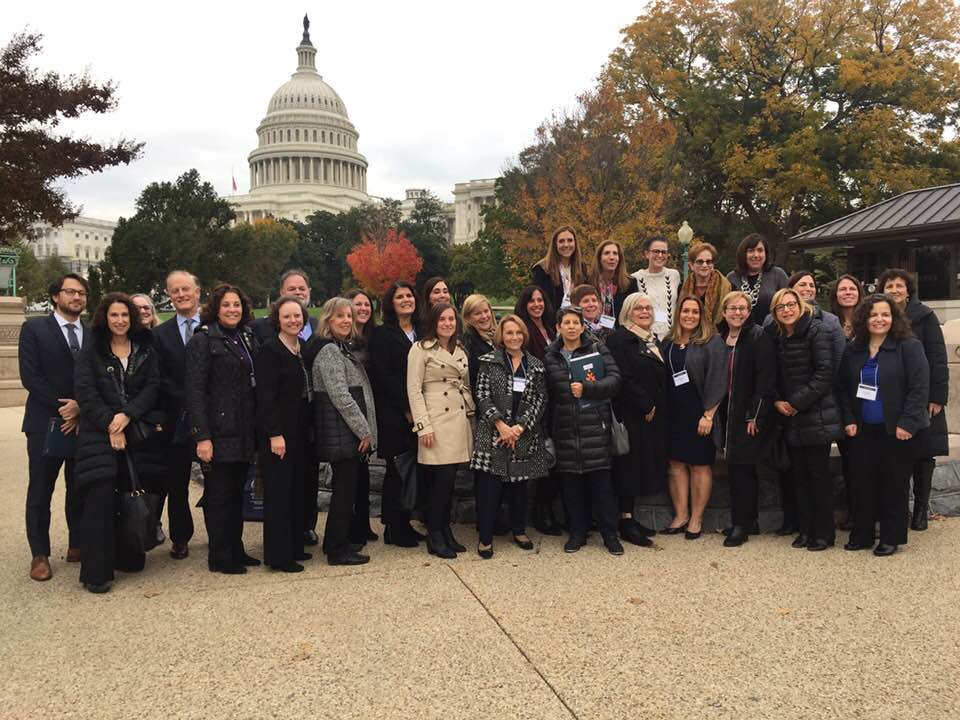
Last week I went to the White House to meet with the Special Assistant to the President with the JCRC and Women’s Philanthropy Division of the Jewish Federation of Greater Philadelphia. Respectfully but rather forcefully we advocated for our concerns over the issues of DACA, Gun Violence, BDS, Anti-Semitism, and SNAP. I know we did not change the administration’s opinion, but we gave voice inside the halls of power to our values. Sometimes we do not do speak constructively and what we think we are saying is not the message heard. There is an important example of this making its way around social media.

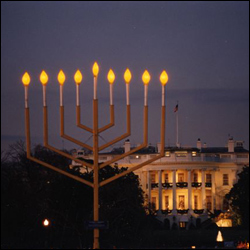
An anonymous rabbi is attributed as responding to a White House request for a Menorah with a rebuff saying that the current administration is antithetical to everything the holiday and menorah represent, so their menorah is not available.

I believe this message does not take the moral high ground, and instead sounds preachy and filled with a self-righteous arrogance that makes dialogue impossible. The story resonates only for those who already believe it.   But for everyone else, the message is negative, generating pushback and defiance, not a moment of teaching and potential rapprochement.

Those of us who believe that the current administration undermines important Jewish values need to speak truth to power but to do so respectful of the institution and with the hope of carrying the message to not merely protest, but to hopefully persuade.

We are obligated to reach out to those with whom we disagree. Through building relationships and dialogue we might give insights and change viewpoints. We also are empowered to champion our causes publicly and we vote. These are sacred and important parts of what makes this an extraordinary country.

The only way our light will illuminate is if we cast it into the dark.


A special message for Shabbat: Remembering Kristallnacht and Veteran’s Day

This weekend is an extraordinary confluence of memories and events that I pray leads to our rededication to the values we cherish as a nation and as Jews. Kristallnacht and Veteran’s Day are times of extraordinary solemn remembrance. The lessons we learn from these can shape our commitment to the world we seek to achieve.


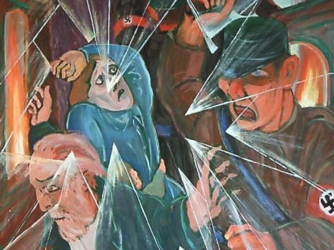
November 9 marks the anniversary of Kristallnacht, Nazi Germany’s great pogrom and genocide against the Jewish people. The oppression and persecution of the Jews of Europe entered a new and deadlier phase bringing the long-simmering anger and aggression out into the open as Goebbels encouraged mass arrests, violence against Jews and any visible signs of Jewishness, including synagogues, stores, and our sacred texts.


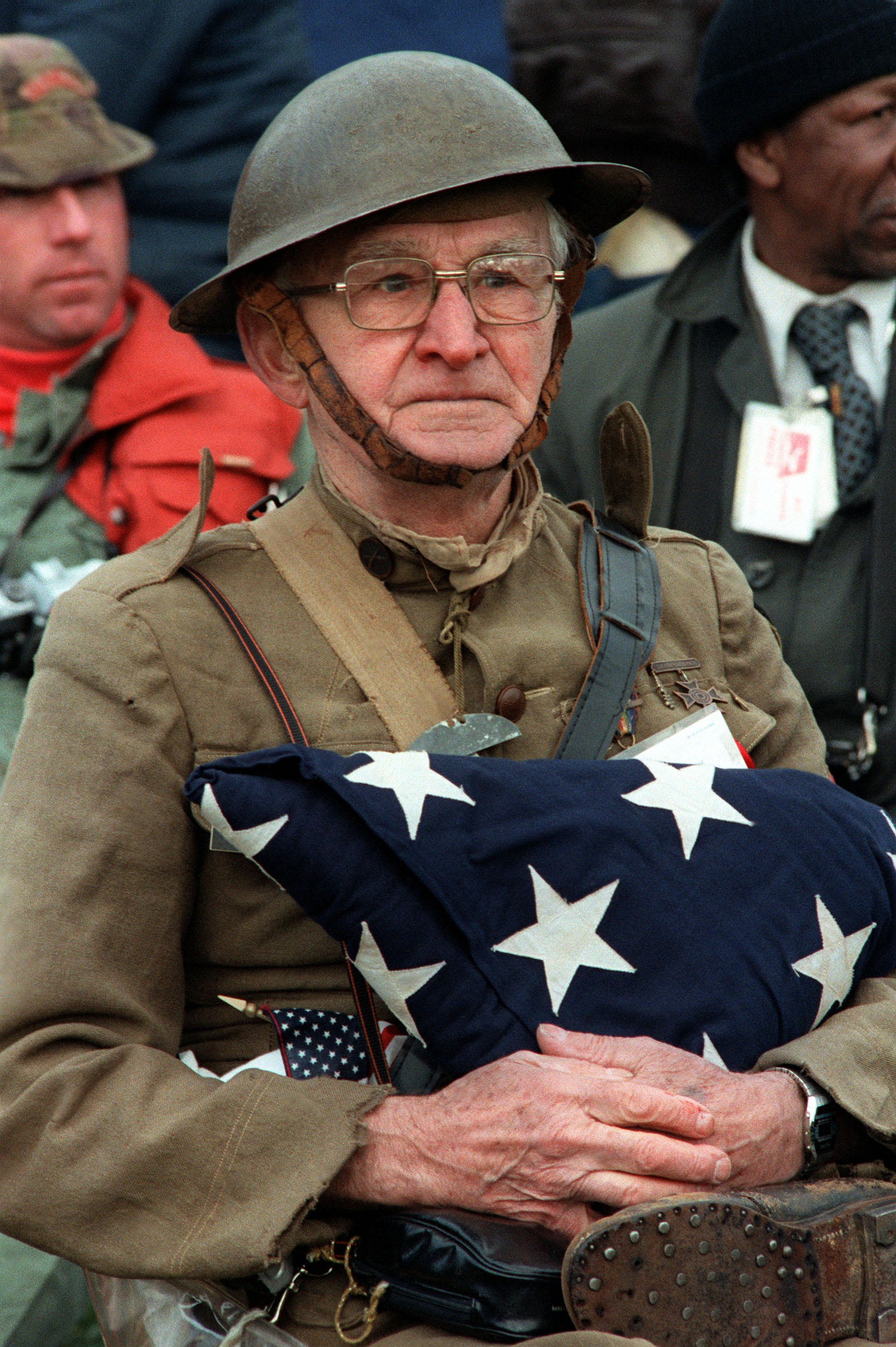
WW1 veteran Joseph Ambrose, at the Vietnam Veterans Memorial. He holds the flag that covered the casket of his son, who was killed in the Korean War.

November 11 marks Veteran’s Day, the time we honor those who have bravely fought to preserve, protect, and defend our country and the values we represent. Eventually, these men and women fought against the Nazi’s tyrannical regime built on hate but sadly too late to rescue the 6 million Jews slaughtered.


And yesterday, November 9, I was proud to accompany the Women’s Philanthropy Division of the Jewish Federation of Greater Philadelphia on a trip to Washington, DC to advocate both in Congress and the White House for DACA, Responsible Gun Legislation, Food Insecurity and the SNAP program, and against BDS and Anti-Semitism. We championed our values and spoke truth to power with persuasive force and civility.

The struggle to realize a better kinder nation and world continues. Yasher Koach and most profound gratitude to all of those who join the fight.

Shabbat Shalom.

Miracles can happen when you don’t forget about me

For something truly extraordinary to happen, we must include the people already inside the tent.

In Vayeira I see an important message about inclusivity, but it’s not what you think. Everyone looks at Abraham’s hospitality, running to the three men and offering rest, food and drink, and honor. But it is only when Sara comes from the tent that the great miracle of prophecy occurs. This is a most important message for us in these changing times.

We properly reach out to people outside our tent in an effort to practice inclusivity and outreach. But as we reach out we must also reach within to make sure that those already within the tent feel equally honored and valued.

People regularly leave the synagogue community because they no longer find anything there for them. Parents leave once the child has been “Bar-Mitzvahed” and Boomers leave because they do not see value in belonging. But helping to develop a child’s value system and sense of community has only just begun with Bar-Mitzvah, and finding support in a caring community is never more important than when we confront the challenges of middle age and beyond. Our synagogues are as important as ever, but destined to struggle with membership (and finances) if we do not find ways to communicate a value proposition that resonates for those already in the tent. Those front doors we want to fling open to welcome newcomers are also open to those looking to leave. We need to help them understand why they would want to stay.

Sara prepared the cakes to serve the messengers and standing at the tent’s opening, she scoffed with incredulity at the vision the men proclaimed. Our congregants too find the future difficult to accept, but it is our sacred task to give them a vision of an extended family and the caring community they are unable to imagine for themselves. As we seek to evolve and broaden our reach, we must always remember to continuously nurture those who have already aligned with us so they continue to embrace our important values and keep our tent full.

Conversations for Life and Legacy

I am excited to announce the launch of Conversations for Life and Legacy™.

Conversations for Life and Legacy™ is a whole new approach to sharing our wisdom, making meaning in our lives, and connecting beyond ourselves drawing upon the insights of Jewish tradition and text.

Conversations for Life and Legacy™ goes far beyond an Ethical Will to share our sacred stories in unique new ways. Among the particular innovations are using a rabbi trained in chaplaincy to guide the interview and capturing it all on video.

Please look at our new website: www.ConversationsForLifeAndLegacy.com to explore this new approach; see what it can mean to you and how it can be brought to your community.

Today we also launch a Facebook page: ConversationsForLifeAndLegacy and we will be on Twitter as well @rabbidavidlevincll.

It’s time to have the Conversations of your Life!

Conversations for Life and Legacy™

www.ConversationsForLifeAndLegacy.com