Chanukah

We prepare for the first night of Hanukkah, deeply shaken by the murderous assault on Bondi Beach and at Brown University.

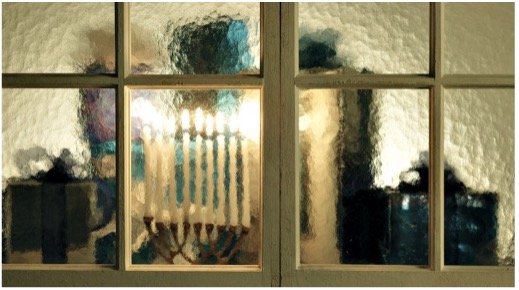
The wanton hatred and violence are almost overwhelming. But we must find a way to gather this evening around our chanukiot, light our candles, place them in the window, and be with each other, letting the miracle of rededication take hold with an additional layer of meaning, overcoming the darkness of the moment and shining a light of love and hope.

Chag Urim Sameach,

Rabbi David Levin

President

The Board of Rabbis of Greater Philadelphia


Chag Urim Sameach and Shabbat Shalom

As we welcome Shabbat, Chanukah is just beyond.  The Shabbat Candles of Friday will be followed by the first lights of Chanukah on Sunday eve.

Six13 shares a delightful medley blending Wicked music with great Chanukah lyrics.  Enjoy!

Lean into the light this season and experience the warmth and glow of our tradition.

Shabbat Shalom

Shabbat Shalom

The Y-Studs guide us through the music of Shabbat, exploring the Evolution of Shabbat.  Take five minutes and enjoy as we welcome Shabbat.

We are overjoyed the 20 held hostage are finally home.  We pray for the return of all, and may peace finally come to all people of the area.

Shabbat Shalom

#BringThemHomeNow

The Dead Child- a prayer from the ashes of October 7

As we remember the horror of October 7 and the aftermath, the words of Menachem Rosensaft bring us a somber resonance. Let this day of remembrance stir us to mercy for the child, not because we doubt our cause, but because we cherish our conscience.

“the dead child

in gaza city

khan younis

rafah

is cried over

with the same tears

by the same God

the same Allah

the same Adonai

as the dead child

in kfar aza

nahal oz

be’eri

and it is

for the not yet dead child

palestinian child

israeli child

muslim child

jewish child

that the killing must end

the war must end

the terror must end

the hatred must end”

—Menachem Rosensaft, from Burning Psalms: Confronting Adonai after Auschwitz (Ben Yehuda Press, 2025)


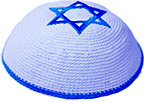
Does the kippah on my head place a target on my back?

With the increasing violence in public spaces, maybe the answer is yes. What should I do about it? I could cower; many people have said they remove their Jewish symbols, like a Chai or Magen David, because they fear being targeted.

I have been wearing a kippah for many years, and since the war started, I wear a kippah with the Israeli flag and the words “Am Yisrael Chai” stenciled inside. I am proud to show who I am and what I stand for. But does it come with any risks?

My kippah has actually been an invitation for people from all walks of life to approach me. At a Costco, on a turnpike rest stop, or while walking on the street, people offer words of encouragement and support. Most people are decent folks. Most are not looking to harm others; they are living their lives and caring for their loved ones, just as I strive to do.

We must not allow acts of violence from uncontrolled radicals to control us. Those responsible for protecting us face a significant challenge, and a system based on freedom rather than repression often leaves them a step behind in safeguarding our rights and safety. They require additional support to perform this vital work. We can help.

We need to get out, gather, socialize, and connect with others. We don’t have to agree, but we must show we care. We need each other. The hateful rhetoric shouldn’t be fought with more hate, but by reaching out, creating, and living in the society we believe in.

My kippah is a symbol and a call to the people I meet that our humanity continues to thrive. That is the kind of target I strive to be.
 

Shabbat Shalom

This song caught my heart today.  Thanks to the Maccabeats for Minyan Man.

With so much divisiveness, it’s good to remember Kol Arevim Zeh laZeh, All Israel is responsible for one another.  Each of us is important. Each of us can make a difference.  Together, let’s welcome Shabbat and welcome God’s peace.

Shabbat Shalom

#BringThemHomeNow

What’s in a name?

Genocide is a highly charged word.

In Shakespeare’s Romeo and Juliet, Juliet asks, ‘What’s in a name?’ Names are simply labels we use to identify things, but the true nature of those things exists regardless of what we call them. Genocide is a highly charged word. We get so caught up in the word and all of the intense emotional baggage it carries that we forget the underlying tragedy: it is an attempt to understand what is happening in Gaza.

One side calls it a genocide; the other disputes that term, accusing the accusers of deliberately misusing the word, targeting the victims of such an experience as if they were the perpetrators of that very same horror. We get caught up in definitions, a kind of territorialism, claiming ownership of that word, and in doing so, we completely miss the point.

The people suffering in the war in Gaza are truly experiencing pain. It’s not just about numbers—whether it’s one person or many—innocent victims of the Hamas-Israel conflict have died. They go hungry. They are homeless. They are victims. Although I do not trust the statistics from the Gaza Health Ministry, there’s no way to measure the full extent of the carnage accurately, and Hamas’s role in this is dehumanizing Palestinians, echoing what the Nazis did to Jews.

We must navigate this challenging space and find ways to offer humanity and hope that we were denied, and, sadly, to the Palestinians as well. From the ashes of Auschwitz, we proclaimed Never Again. Was this declaration meant only for us? Our Jewish duty to be a light to the nations requires that it not be. We must uphold our tradition’s promise by maintaining our humanity and embracing the virtues of Pirkei Avot (2:5); in a world that has no worthy men, strive to be a man.

Whatever you call it, the war and anguish must end.