Category: Am Yisrael

  • Building a Sanctuary in the Shadows: Vayakhel-Pekudei

    Building a Sanctuary in the Shadows: Vayakhel-Pekudei

    In the double parashah of Vayakhel-Pekudei, we conclude the Book of Exodus not with a thunderous miracle but with a detailed account of gold, silver, and blue wool. After the spiritual collapse of the Golden Calf, the Jewish people are tasked with a “rebound” project: building the Mishkan (Tabernacle). But why create a sanctuary in the desert wilderness? Perhaps A more timely reframing of the question is, when the outside world is in chaos, how do we create an internal space that remains untouchable?

    The word Vayakhel means “And he assembled.” Moses gathers the community together. This isn’t just a physical gathering; it is a spiritual reunification. After a period of division and sin, the remedy is collective purpose.

    Pekudei means “records” or “accounts.” Moses gives a clear breakdown of every shekel donated.

    Rashi, commenting on Exodus 35:2, explains that the commandment for Shabbat is placed directly before the construction of the Mishkan to teach us a boundary: as sacred and urgent as the “building” is, it does not take precedence over the Sabbath. Even during our most urgent moments of defense and advocacy, we must preserve the integrity of our holy pauses.

    The Torah further admonishes in the next verse:

    “You shall kindle no fire throughout your settlements on the day of the Sabbath.” (Exodus 35:3)

    What is this fire of which the Torah speaks?  Rabbi Samson Raphael Hirsch, the founder of modern orthodoxy, explores this “fire” as the ultimate tool of human mastery and technology. The Torah’s prohibition against kindling fire on Shabbat reminds us that we must not be consumed by our own survival tools or ambitions. We fight when necessary, but we do not become the fight. We preserve our “Shabbat soul,” so we have a sanctuary to return to. The Human fire is different from the sacred fire of God’s presence in the Mishkan once it is built.

    This highlights the tension we experience today: balancing our public responsibilities to the Jewish people while safeguarding the private spiritual integrity of our own souls and homes. We are currently facing serious crises. The external threats from Hamas, Iran, and others are existential and seek to destroy the Jewish state. Meanwhile, the rise of antisemitism and violence here and around the world presents significant risks to Jews and Jewish communities. Strengthening internal unity and security is essential. And so many of us are struggling in a world that does not give us the spiritual and emotional support we need.

    This struggle for balance is our challenge today. Many of us lack a space for spiritual and emotional rest. The Mishkan, or sanctuary, feels elusive. Many of us are disconnected from traditional places of connection like synagogues. Yet we still long for what such places offer—community, support, and connections. If we don’t have these things that may complete us, how do we build the relationships at the core of a meaningful life? Can we be our best version of a friend, child, or sibling without that fulfillment? And how do we nurture our children, teaching them to be prepared, confident, and strong to face the world that awaits them?

    Our task is to ensure that as they prepare to enter the world as strong, confident Jewish adults, they aren’t just experts in their fields, but are “wise-hearted” (Chacham Lev). It is in the home and in our relationships where that heart is fortified. Our home is a sanctuary that protects them from the “fire” of hostility, enabling them to focus on the “work” of becoming who they are meant to be.

    The Book of Exodus concludes with the Cloud of Glory filling the Tabernacle during the day and aglow with fire by night.

    In Exodus 40:38, we see, ‘The cloud of the Lord was upon the Tabernacle by day, and there was fire within it by night, before the eyes of the entire House of Israel throughout their journeys.”

    The phrase “throughout their journeys” is essential. The cloud didn’t just appear when they were safe; it was present during the trekking, the uncertainty, and the transitions.

    As we face current challenges both here and abroad, we remember that the “Accounting” of the Jewish people isn’t measured by our enemies’ hatred but by our own ability to build. By maintaining ourselves and the sanctuary that is our home, we create a space that guides and nurtures both ourselves and our loved ones with their own “fire and cloud.” We help ensure that we are fortified, and when it is time for our children to venture out on their own, they carry a piece of that sanctuary within them, ready to lead with strength, pride, and a “wise heart.”


  • Parshat Tetzaveh-Responsible Governing for the People

    Parshat Tetzaveh marks a pivotal shift in the wilderness narrative of the Jewish people. While previous portions focused on the physical Tabernacle, Tetzaveh focuses on the human element: the inauguration of the Kohanim (priests). By establishing this dedicated class, the Torah ensures a disciplined bridge between the Divine Presence and B’nei Israel.

    The transition from building structures to preparing “human vessels” reminds us that even the holiest space requires empathetic leadership to come to life. The priesthood was not an elite social hierarchy but a role of “functional holiness.” In Exodus 28:1, God commands Moses to “bring near” Aaron and his sons to serve, separating them to manage the meticulous maintenance of the Mishkan, which the general population could not sustain.

    The priestly garments are a physical manifestation of this duty. The Choshen (Breastplate) bore the names of the twelve tribes, ensuring that the Kohen Gadol (High Priest) literally carried the nation’s weight “on his heart” (Exodus 28:29). This teaches that a leader’s primary function is representation and empathy, not merely ritual performance.

    Faithfulness among the Kohanim was measured by adherence to strict protocols. The Milu’im (consecration process) involved smearing blood on the right ear, thumb, and big toe (Exodus 29:20), symbolizing a total commitment to:

    • Hearing: Attuning oneself to Divine instruction.
    • Action: Performing service with precision.
    • Movement: Walking a righteous path.

    The Ner Tamid (Eternal Flame) serves as the ultimate metaphor for this duty. Commanded to kindle the lamps “from evening to morning” (Exodus 27:21), the priests maintained a consistency that transcended personal fatigue. Their faithfulness was embodied in the Tamid—the “always.”

    The discipline required to keep the light burning is a powerful metaphor for contemporary society. Capricious or arbitrary leadership undermines the sacred role of those dedicated to preserving institutions. Just as the Kohanim served the Mishkan, today’s dedicated bureaucrats and elected leaders play a critical role in upholding the rule of law.

    Long before democracy took its modern form, our tradition recognized that power is a sacred responsibility to the people. This value remains central to the rule of law and equal protection. Like the Kohanim, we are entrusted with preserving these “eternal flames” for generations to come.


  • Terumah-Power to the People

    In Parshat Terumah, the transition from Sinai’s abstract thunder to the Mishkan‘s detailed blueprints offers the ultimate master class in institution-building. It suggests that while revelation provides the “why,” the institution provides the “how”—transforming a fleeting spiritual moment into a sustainable communal reality.

    At Sinai, the relationship with the Divine was a “top-down” event—overwhelming and temporary. In Terumah, this is reversed by the command: “And let them make Me a sanctuary, that I may dwell among them” (Exodus 25:8). The shift here is profound, creating sustainability. Inspiration was found at Sinai. It is a spark; an institution becomes the hearth that keeps the fire burning. The text then speaks of a dwelling, with an interesting word choice: it doesn’t say God will dwell in it (the building), but among them (the people). The institution is not the goal; it is the vessel that allows the communal presence to persist. The idea is further elucidated as the focus shifts to the people’s action.

    The word Terumah means “to lift up” or “set aside.” Crucially, the materials for the sanctuary were not collected through a flat tax but from “every person whose heart prompts them to give.” This reveals two core principles of healthy institutions. The first is shared ownership; when people contribute their own “gold, silver, and copper,” they are no longer spectators; they are stakeholders. The second is the diversity of people’s contributions. The Mishkan required everything from precious metals to goat hair. This teaches that an institution is only robust when it integrates the varying capacities of its members—from the wealthy benefactor to the skilled artisan.

    This Parsha is known for its precise measurements—cubits of gold, rings of silver, and specific wood types. These details serve a vital purpose. They instill discipline and consistency. Without a structured “sanctuary,” collective energy dissipates. The Mishkan’s physical boundaries protected the sanctity of the community’s mission. This consistency ensured that the institution’s values of justice and holiness weren’t subject to the leader’s capricious mood or the crowd’s whims, but were anchored in a permanent, repeatable structure.

    Our times test our understanding of what it means to live in community, bound together by the rule of law, freedom, dignity, and respect for all people. We need each other, and together we are stronger and less susceptible to those impulses. To ensure our country and its institutions endure, we must give of ourselves, investing in its care and championing the values at our core.


  • Shabbat Shalom

    One Day

    Mattisyahu’s song One Day is our hope – but it will take a our concerted effort to realized the dream of peace.  Shabbat is our taste of what it could be,  Now more than ever we must commmit to making our dream a reality.

  • Pharaoh’s Hardened Heart: How Power Becomes Incapable of Change

    One of the most theologically challenging chapters of the Exodus narrative that Pharaoh’s heart is “hardened.” Where is the moral choice or free will that characterizes Torah? If God hardens Pharaoh’s heart, how can Pharaoh be held responsible for his refusal to free the Israelites? How can punishment be just if repentance has been removed as an option?

    This reading loses sight of the metaphor at work and the timeliness of the teaching. This is not merely a portrayal of an obstinate ruler; it is about how entrenched systems of power function, how the primary focus becomes remaining in power, how moral authority is lost, and how meaningful change to the system that maintains that power is resisted, ultimately doomed to collapse under the weight of its own corruption.

    Pharaoh is that political system.

    As the plagues begin, Pharaoh himself refuses to change. As the plague of frogs subsided, Pharaoh’s heart hardened when relief came.  This was a political reflex, not Divine intervention. The system reasserted itself once the pressure on it was alleviated.  The relief was the excuse to revert to the status quo, a squandered opportunity for repentance.

    When the text starts using the phrase that “God hardens Pharaoh’s heart, “ the Rambam comments that persistent injustice can erode and stop the capacity for repentance itself . As choices become character, character hardens into destiny.

    Ibn Ezra reinforces this structural reading. Commenting on God’s declaration that Pharaoh’s heart will be hardened, he emphasizes that Pharaoh’s political role makes concession impossible. Releasing the Israelites would dismantle the economic foundations of Egypt. Pharaoh’s refusal is therefore systemic self-preservation rather than mere personal obstinacy.

    Torah reinforces this interpretation through metaphor. Pharaoh’s heart is described not only as hard but as heavy (‘kaved’). Weight creates inertia. A system burdened by injustice loses its ability to pivot, respond, or change course.

    This imagery reaches its climax at the Sea of Reeds. Pharaoh’s chariots sink “like lead in the mighty waters.” Collapsing under its own weight.   Egypt falls not because God waged war, but because the structures that sustained its dominance render it incapable of survival in a transformed moral landscape.

    Midrash sharpens this idea through the principle of measure-for-measure. Shemot Rabbah teaches that just as Pharaoh hardened his heart, so God responded in kind. The plan to drown babies in the Nile creates the punishment of the drowning of the chariots and army in the Reed Sea.  Power collapses according to its own internal logic; the methods used to preserve control become the mechanisms of downfall.

    The prophets later universalized Pharaoh into an archetype of political absolutism. Ezekiel depicts Pharaoh declaring, “The Nile is mine; I made myself.” This arrogance and pride further erode any legitimacy of that power. Once power views itself as self-originating, accountability disappears, and reform becomes inconceivable. Seen in this light, the hardening of Pharaoh’s heart is not a theological puzzle but an enduring warning, repeatedly ignored yet played out throughout human history and confronting us today.

    The Torah does not ask why Pharaoh did not repent; it teaches that power becomes incapable of repentance. Redemption comes not because unjust systems change, but because they cannot endure and ultimately collapse. The Reed Sea does not defeat Egypt—it simply allows Egypt to sink beneath the weight it chose to carry. These stark lessons are warnings for all of us.


  • Shabbat Shalom

    This Shabbat Paying For Change produces this critical message in the Bob Marley song War/No More Trouble, featuring Bono, David Broida.

    Shabbat Shalom


  • Shabbat Shalom

    As we enter the last Shabbat of 2025, I share Auld Lang Syne, the famous song of this time of year, written by Scottish composer and poet Robert Burns.  It asks us to remember that our humanity and our kindness are expressed in our relationships with others.  As we move into the new year, resolve to love others, treat them with dignity, respect, and compassion. May we find ways to forgive others and ourselves.

    Shabbat Shalom


  • Chanukah

    We prepare for the first night of Hanukkah, deeply shaken by the murderous assault on Bondi Beach and at Brown University.

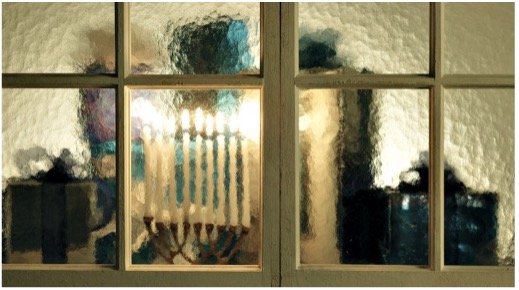
    The wanton hatred and violence are almost overwhelming. But we must find a way to gather this evening around our chanukiot, light our candles, place them in the window, and be with each other, letting the miracle of rededication take hold with an additional layer of meaning, overcoming the darkness of the moment and shining a light of love and hope.

    Chag Urim Sameach,

    Rabbi David Levin

    President

    The Board of Rabbis of Greater Philadelphia


  • Chag Urim Sameach and Shabbat Shalom

    As we welcome Shabbat, Chanukah is just beyond.  The Shabbat Candles of Friday will be followed by the first lights of Chanukah on Sunday eve.

    Six13 shares a delightful medley blending Wicked music with great Chanukah lyrics.  Enjoy!

    Lean into the light this season and experience the warmth and glow of our tradition.

    Shabbat Shalom

  • Share your Blessings

    Giving Tuesday flooded my email inbox. However, my inbox has been filled with so many “asks” that I now delete messages without even reading beyond the subject line. It may sound like cynicism and a bah-humbug attitude that could prevent us from giving tzedakah, but that is not the case. We are required to give and support others in need—clothing the naked, feeding the hungry, sheltering the homeless, and caring for the widow and orphan—these are at the heart of Jewish responsibilities.

    Our great teacher and sage, Maimonides, taught us that we must give. It is clearly an obligation. But he asks: do we give our money to one cause or distribute it among many? Maimonides favors giving to many, even though the impact is smaller; it helps us to become more charitable if we make it a regular part of our practice.

    Michael and Susan Dell recently announced a $6 billion gift to aid 25 million children. Inspired by the Save America plan to give $1,000 to each child born over the next two years, the Dells also aimed to support already born children up to age 10 with a savings fund. If you do the math, this amounts to about $250 per child invested in an S&P index fund. It might not seem like much, but it’s more than these children had before. It’s about instilling hope and providing a link to a system many of these kids aren’t connected to. Hopefully, other billionaires will follow suit and use some of their vast wealth to help those who are among the have-nots.

    Now, for the billionaires among us this evening, I am confident you have already put these plans into action. Thank you. But the rest of us (who aren’t billionaires) can follow suit. A small contribution may not change the world, but it could help someone when they need it most. Chanukah is a time for Jewish renewal and rededication. Our commitment to helping others is central to our tradition. Support the causes you believe in. And by giving, we not only help others but also enrich ourselves by gaining a sense of purpose.

    I fondly remember the Jerry Lewis Telethon. As a kid, I couldn’t wait to call in. I saved my allowance and made a $10 donation. I eagerly watched to see my name scroll across the bottom of the TV screen as donors were announced. I felt a rush of excitement as I waited for the moment it became official. And in that moment, I knew I had done something good.

    We are taught ‘Kol Arevim zeh bah zeh,’ meaning we are all responsible for each other. When Cain questions God at the very start of our story, asking, “Am I my brother’s keeper?” God responds loudly and clearly, yes.

    This holiday season,  make sure you give what you can to help others and yourself as well.