Vayera – What did Abraham hear when God spoke?

I, like so many others, have struggled with Abraham’s responses to God in the stories of Vayera.  Why was our Patriarch eager to confront God and bargain to save Sodom and Gomorrah and then be so passively accepting of God’s command to kill Isaac?  Abraham responds to what he heard, a message filtered by his own biases and his perception of God, the other in this relationship.

In the Akedah, God instructs Abraham in painful detail, “Take your son, your only son, the one that you love, Isaac, go to Moriah and offer him as a burnt offering.”  God is carefully staking out Abraham’s test of faithfulness.  There is no room for a conversation. The Akedah is so intense; it is almost impossible for Abraham to catch his breath, let alone say something in response.   Although there is no conversation, the ensuing language makes it clear that the next three days, Abraham is thoroughly deliberate traveling to Mt. Moriah.  Abraham cannot deliberate with God, but it is clear he is consumed in his mind by what is to come.

Sodom and Gomorrah were decidedly different.  God deliberates about telling Abraham His plan, which included assessing the situation on the ground, framing an invitation to a conversation. Abraham joins in, and God encourages it by continuing to engage  Despite the trepidation of arguing with the God of Justice about acting justly, Abraham bargains to lower the number of righteous needed to spare the city until he reaches what he perceives as the best he can do, 10-  a minyan.  The negotiating ends with the best deal Abraham believes he can achieve.

How we hear and understand something sets the table for how we respond to it.  Why Abraham feels he has license to argue in one case and not in the other remains one of the mysteries of our text.  But it is all too familiar territory for all of us.  Each of us responds to what we think we have heard, rendering very different responses, even to the same person, based on the facts and our emotional and situation, among other factors.

What do we hear when another speaks?  Have they spoken undeniable truth, or is it an invitation to engage to achieve a better understanding of each other? Knowing when to speak and when to be silent is among the more difficult decisions we make.  Grappling with this issue is as hard for us as it was for Abraham.  Our tradition encourages us to confront it.

The practice of Mussar works hard at getting us to understand the virtues, or middot, that drive both the person with whom we are in relationship and us.  We learn that the successful relationship requires that we appreciate the middot are working on both of us so that it can be complicated.  We often do not get it right, but we stand a better chance of engaging in meaningful dialogue when we try. Abraham’s inconsistent reactions to God is a lesson with a timeless message, certainly one that is pertinent to today.  Torah is a profound understanding of the human condition.  The issues Abraham and all the characters of our tradition confront are genuinely human issues, as relevant today as they were when first written down.  Let’s try harder to listen better to understand each other.

Shabbat Shalom
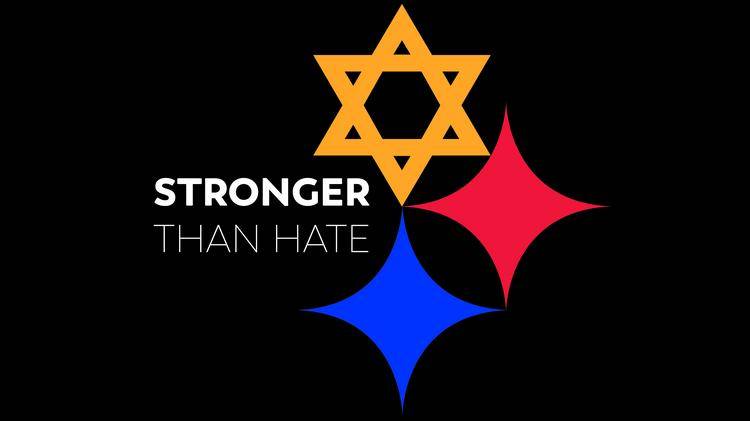
 

Remembering Pittsburgh- Stronger than Hate

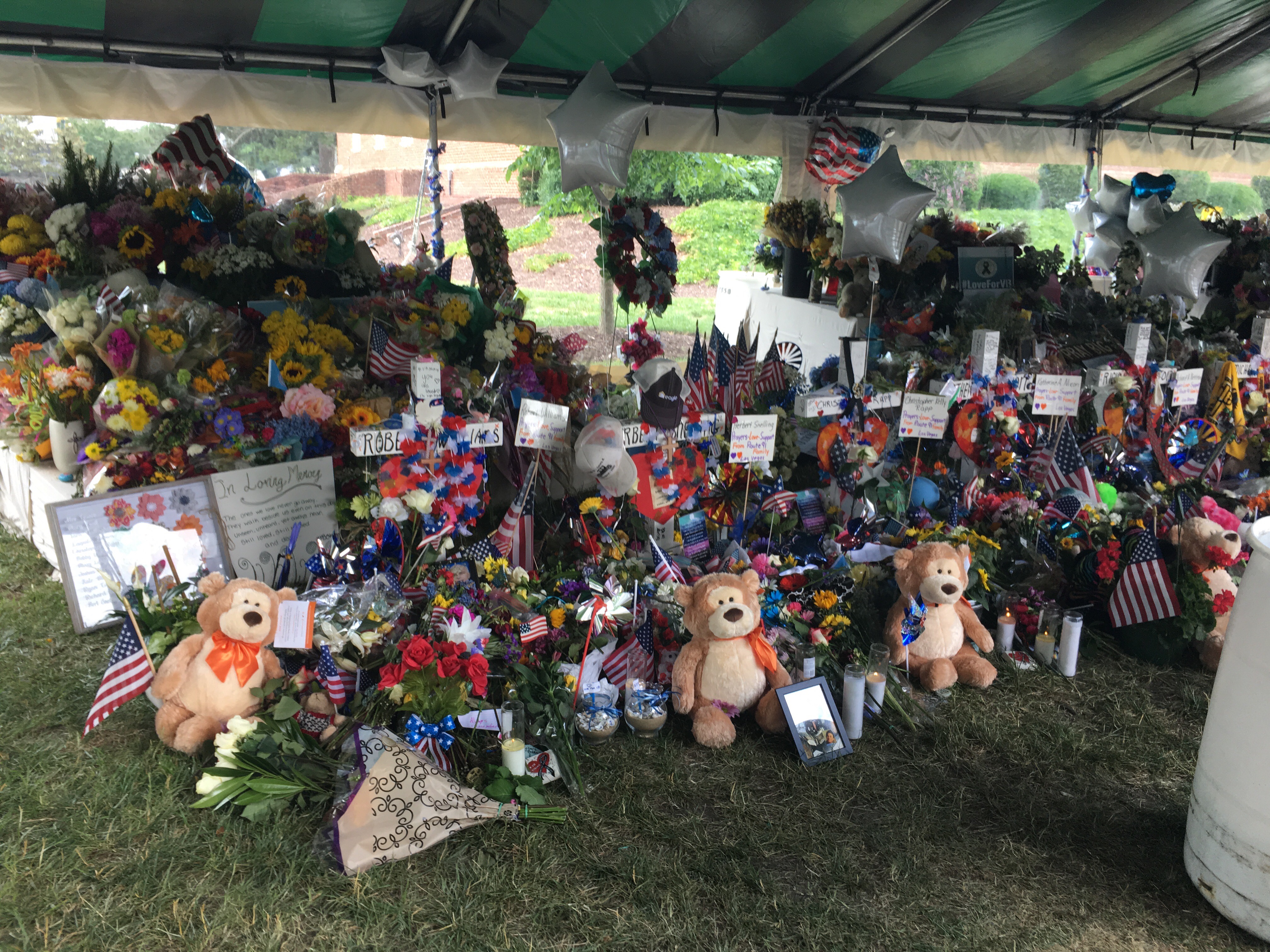
The tragic murder of 11 people one year ago in Pittsburgh is a harsh reminder that hatred is real and we are not always in control of events.  Things often happen to us.   As painful, hurtful, or even devastating as something can be, how we react is in our control.  What is the life-lesson that we learn and how do we actively embrace that life lesson going forward?

Do we react cynically or with an open, albeit wounded, heart?  Can we forgive? Will this event haunt us holding us back, or compel us to move onward? What is the vision of the future we see that is shaped by what happened, what is the world we want to see, and how will we get there?

I struggle with an anger and pain that could be overwhelming, especially as one of the Rabbis initially deploying to Pittsburgh with the Red Cross in the immediate aftermath of the shooting.  Our Jewish tradition helps me re-center myself.  Here I can embrace the timeless values that understand the human condition and provide a framework for a just society where we all might live in peace, based on the idea that we should treat our neighbors as ourselves.   But it is a hard climb up to that mountaintop.

This is the challenge of Pittsburgh.  Our hearts ache for those lost as a result of violent Anti-Semitism.  We take solace in the love of our neighbors and find strength standing shoulder to shoulder with other people of goodwill to continue to strive for the kind of just society we want America to be.

Our tradition is one of deeds.  Our response to this tragedy needs to be more than a feeling.  There are many ways to respond through civic involvement and community activism.  Judaism requires that we belong to a community committed to promoting our values be it a synagogue, philanthropy, or civil rights group.  The important thing is that you are compelled to respond with actions to live the values of our tradition and to build a better world.   What will you do?

Zichronam Livracha and Shabbat Shalom.

What are you grateful for?

A friend and rabbi introduced me to this question at the Friday night Shabbat dinner table.  She asked everyone there to share the highlight of their week, that thing, person, or event for which they were most grateful.

We have since embraced this beautiful tradition at our Shabbat Table.  It gives us a chance to welcome Shabbat with gratitude and a fuller heart at the end of what is often a very tumultuous week.

Each day the news seems overwhelmed with negative stories about how we are in decline as a culture, a nation, a world.  War, famine, climate change; we are, to quote Barry McGuire, on the eve of destruction. But the world is filled with beautiful things.  Good people acting with love and selfless generosity.  The beauty and majesty of our planet. And many other things that often get overlooked by the current crisis or calamity.  We need to find space to appreciate the good so we can help it to spread.

As we enter Shabbat, take a moment to embrace that special thing that happened this week worthy of gratitude.    Welcome Shabbat with something special.

What are you grateful for?

Shabbat Shalom

The Priestly Blessing- A message of hope deliberately placed


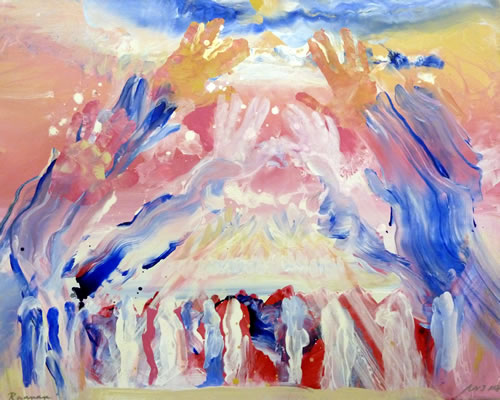
Naso by Yoram Raanan

The Priestly Blessing is a message of hope in a troubled world.  We have long wondered about the Priestly Blessing being placed in Parshat Naso.  Many have posited it was out of place, belonging instead in Leviticus (9:22) when Aaron is told to bless the people.  But I believe it is placed here purposefully as a message of assurance,  to make sure we understand how important we are to each other and to the Almighty.

Naso contains a census of the Tribe of Gershon, the extraordinary stories of the Sotah, a test for the unfaithful wife, and the issues surrounding the intense vows of becoming a Nazirite. And only then do we read the Priestly Blessing;  The three-line expansive blessing upon each of us that God protects us, is kind to us, and grants peace to us.  It is actually the perfect response to the perplexing and difficult issues that preceded.

We are told we count. That was central in the previous Parsha, BeMidbar, and reiterated as the census to count the Gershonites.   But then we are confronted with the Sotah and the Nazirite, as if to ask are there times when we do not count.  We all struggle with life.  We seek God’s blessings, we seek meaning, we seek good things, namely peace and a good life.  But we find ourselves going off the rails.  When this happens are we cut off from God’s blessing?

The Sotah is about accusations of infidelity.  But in the absence of anything but circumstantial evidence, the magical test is administered by the Priest.  The gravitas of this must be overwhelming.  But even if a woman survived the test, would her husband fully welcome her home, without harboring some suspicions.  Would trust ever be restored fully?  Would others in the community maintain lingering doubts, rumors, and stories placing an indelible stain on the woman’s reputation?

Someone taking the vow of a Nazirite  may do it for lofty purpose, but based on our understanding of the things that motivate such action, we see the wisdom of Gersonides’ analysis that, A person takes such a vow to silence the unhealthy turmoil inside a person arising from a physical desire that might lead one to sin.  Does the person who needed to take the Nazirite vow feel rejuvenated or reborn when the vow is complete?  Does the thing that required such focus continue to linger in their souls?  Such impulses can extend beyond lust to other impulses that can plague us emotionally or spiritually.

The Priestly Blessing is deliberately and thoughtfully placed here to say we struggle and we continue to struggle.  It comes at us from all angles.  It is part of being human in a world that is often fraught and difficult.  Each of us has a struggle, a demon, a bad action, a feeling of inadequacy.  It is part of who we are as human beings.

The Priestly Blessing is a wish for wholeness, a wish for Peace in an unpeaceful world.  The Priestly Blessing is a wish for Peace; it is our yearning that these struggles do not mire us in a life that feels dark or hopeless.  It is the profound hope that God is there to love and protect us even when we feel we have strayed so far away that we are beyond the reach of even the Almighty’s loving protective wings of peace.

Hope remains.  God is there.  We are not alone.

May the Almighty Bless you and Protect you.

May the Almighty deal kindly and graciously with you.

May the Almighty bestow Divine favor upon you, granting you wholeness and peace.

Shabbat Shalom.


Rabbi David Levin is a second career rabbi.  Trained at Hebrew Union College-Jewish Institute of Religion, Rabbi Levin’s rabbinate focuses on outreach to seekers of meaning, bringing Jewish Wisdom to their life journey.  Rabbi Levin’s work is trans-denominational, embracing and drawing knowledge from all aspects of Judaism. He is a member of the CCAR (Reform Rabbinical Association), OHALA (Renewal Rabbinical Association), NAJC (Neshama, Association of Jewish Chaplains), a Fellow of Rabbis Without Borders, serves on the regional board of NIF (New Israel Fund), and is a volunteer on the Disaster Spiritual Care Team of the American Red Cross.

Rabbi Levin currently teaches The Ethical Will Re-Imagined, as well as Mussar at the Jack M. Barrack Hebrew Academy, Introduction to Judaism for the URJ, “Kavod v’Nichum, Understanding Jewish end-of-life rituals”, and the acclaimed series “L’Chaim, Jewish Wisdom for the End of Life Journey” with two esteemed rabbinic colleagues. Rabbi Levin officiates in complex lifecycle events including non-traditional burial and work with interfaith couples.   Rabbi David leads interfaith trips to Israel through the CLAL Stand and See project.  Rabbi Levin is the organizer of Death Café of Greater Philadelphia