Playin for Change shares this version of Gimme Shelter.
God’s miracle is not in the thunder and lightning but in people protecting others from the storm. ~ The Radmal
Shabbat Shalom
Playin for Change shares this version of Gimme Shelter.
God’s miracle is not in the thunder and lightning but in people protecting others from the storm. ~ The Radmal
Shabbat Shalom
Paul McCartney wrote Blackbird as a tribute to the civil rights struggle in the United States. It is a song that needs to be sung now for all seeking freedom. The incomparable Jon Batiste performs this rendition.
Shabbat Shalom
Why do these kippot cost so much?
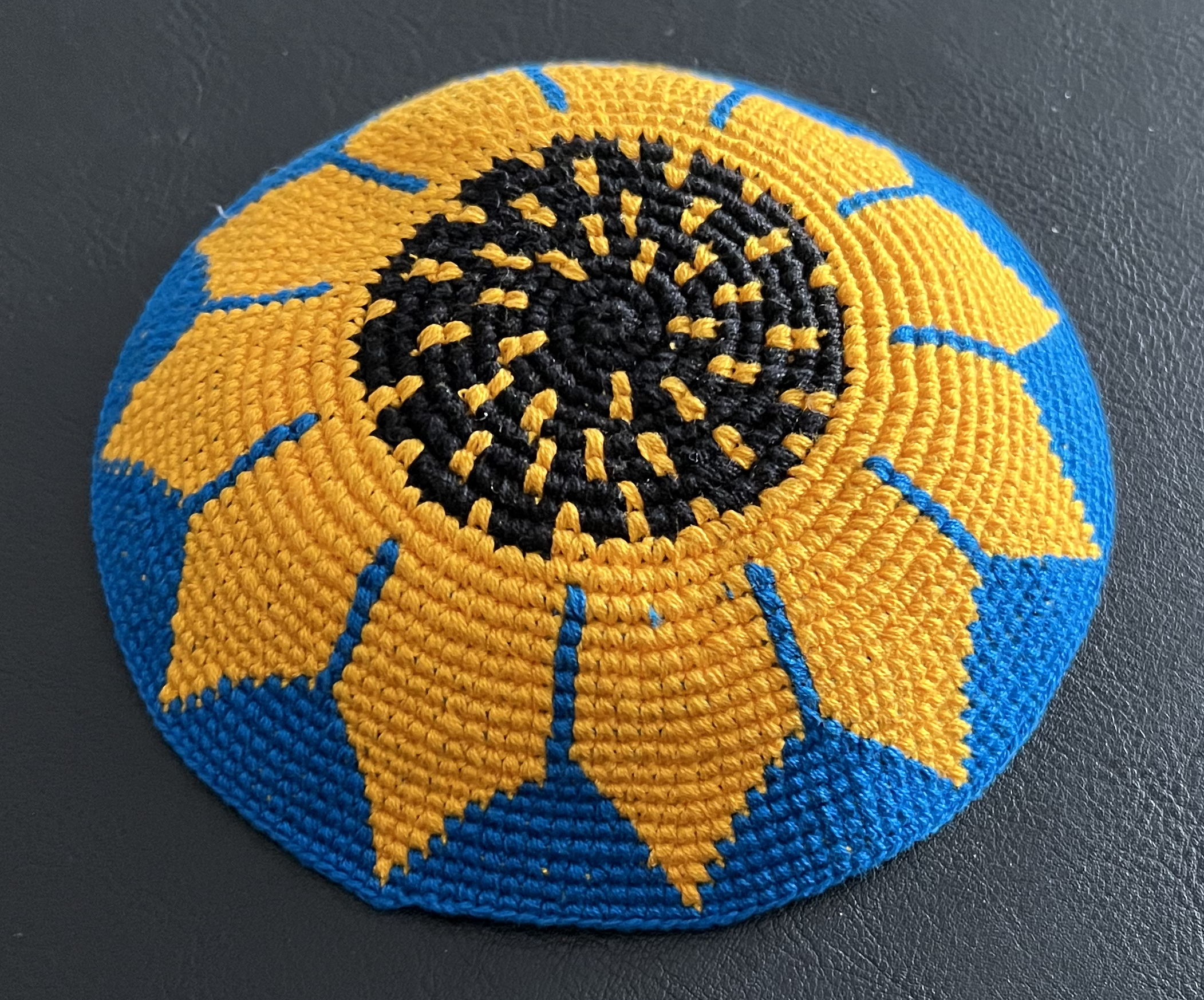
It is because we are trying to raise as much money as we can to help the victims of war. We are not in the business of selling Kippot.
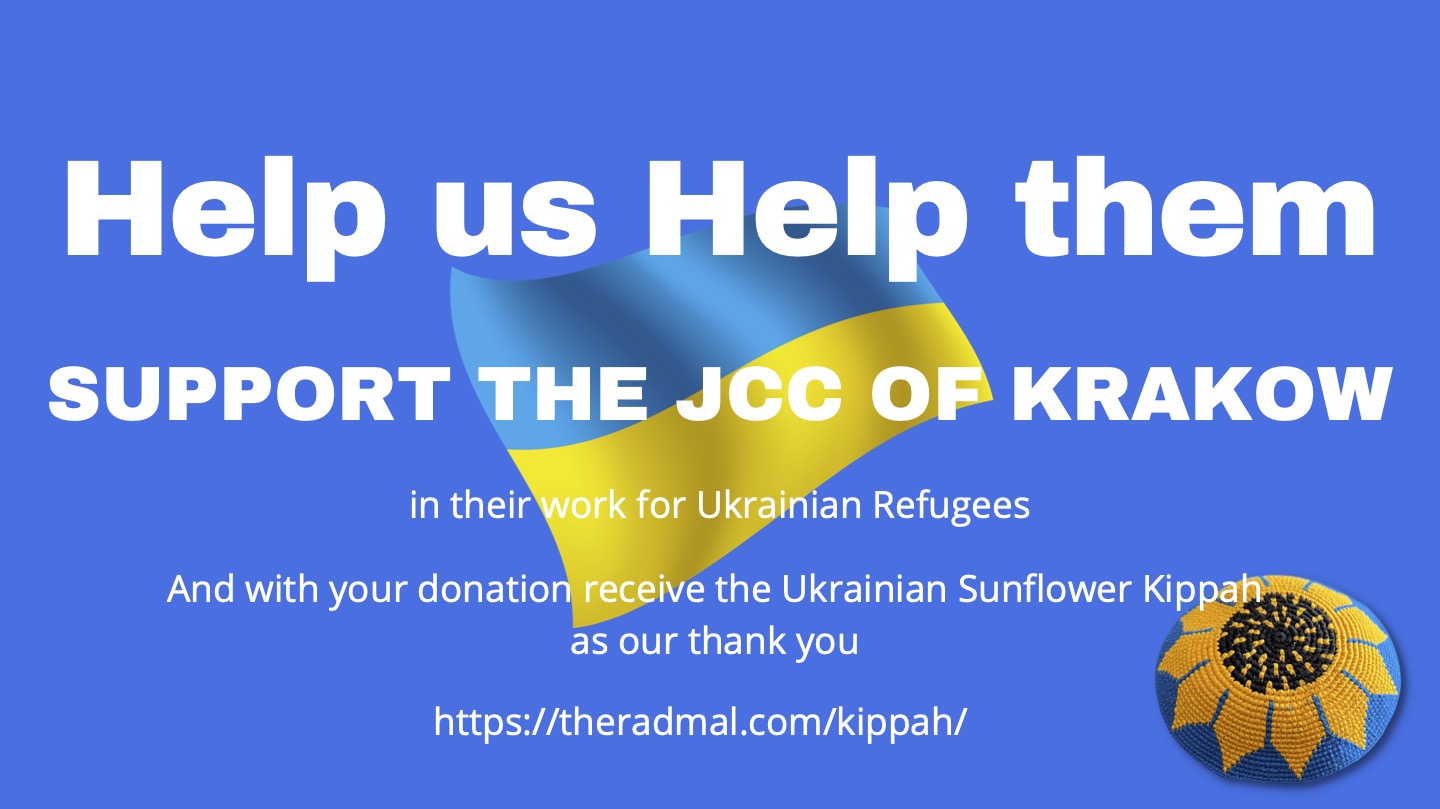
These kippot are unique and designed to represent the Sunflower, the national flower of Ukraine and a symbol of hope, in the Ukrainian national colors. The Kippot are made in a fair trade arrangement with a Guatemalan Women’s cooperative; we want them compensated adequately. Our goal is to get money to one of the influential NGOs in Poland, the JCC Krakow.
The JCC is dedicated to helping refugees in need, whether Jewish or not. It is an extraordinary opportunity for the Jewish community of Poland to lead in a time of crisis. It is likewise an extraordinary opportunity for the Jewish community of the United States to support the work.
Please help us with a generous donation and proudly wear a symbol of our humanity. #standwithUkraine
Acharei Mot
God’s Miracle is not in the thunder and lightning but in people sheltering others from the storm. ~The Radmal
Our recent Hineini Mission to help Ukrainian refugees in Poland gave me a new perspective on Parshah Acharei Mot, teaching me how to help people move forward in the wake of catastrophe. Acharei Mot opens with God telling Moses to instruct his brother. Moses serves as the compassionate human connection so that Aaron can serve as the High Priest of the community, the children of Israel. For those of us watching the Ukraine tragedy unfold, we play the part of Moses, and the refugees are in the role of Aaron. We are like the loving brother who carries the message of moving forward and offering caring support. Helping the mothers and the children is our role.
The Parshah opens with God directing Moses, after the death of Aaron’s two sons, to tell Aaron to abide by the detailed instructions to follow. Moses shares what Aaron must do to fulfill his responsibilities as the High Priest. Many interpret this as a way to get Aaron’s full attention lest he suffers the same fate as his sons. But there is more here than that. Moses brings humanity to the otherwise stark directives and comforts his brother by serving as the carrier of the message. As a result, Aaron can begin to focus on how to move forward with his life so brutally and irreversibly changed by the death of his sons.
Aaron’s loss is a harrowing event. We witness similar excruciating anguish in the war on Ukraine. The brutality of the country’s destruction; the torture and murder of its civilians, including the elderly, babies, and children; the depravity of routinized rape and torture practiced by the Russian invaders are staggering. In our time in Krakow and at the border, we witnessed women and children coming to Poland to escape the horrors of this war, seeking asylum and leaving everything behind, including their men left to defend the homeland, knowing they too might be slaughtered. Such is the Ukrainian reality. These women and children refugees are like Aaron.
Aaron receives specific instructions on doing his job as the High Priest. These continued instructions coming after the deaths of Nadav and Abihu tell Aaron, and us too, that life must continue even after a catastrophe. Responsibilities to the children do not cease because of personal loss, even the most challenging kind. Our work and our lives remain in front of us. We must move forward. But it is almost impossible to do that alone.
Moving forward is complicated and often overwhelming. Moreover, the loss brings a sense of isolation. Aloneness makes us feel cut off from the community, from life itself. But Moses’ presence informs Aaron that he is not alone. And the instructions Moses carries help Aaron move forward.
Moses informs Aaron that he may enter the Shrine only with a specific offering, and he must appear dressed appropriately. In other words, moving forward is deliberate, done with forethought and intention. It requires structure and resolution and others to help you through the fog of loss.
We support our brothers and sisters of Ukraine. In our rabbinic mission to help the Ukrainians, we brought needed supplies to heal the physical needs and our presence as rabbis to heal the emotional and spiritual needs. We did this sacred work with the support of our communities and congregations. But the task is barely begun. The people of Ukraine continue to need everything- food, shelter, clothing, and a place to make their forever changed lives. After death, life must continue, but only with the help of us, their loving brothers and sisters, will the victims find a path forward. May this be our continued mission.
God’s Miracle is not in the thunder and lightning but in people sheltering others from the storm. ~The Radmal
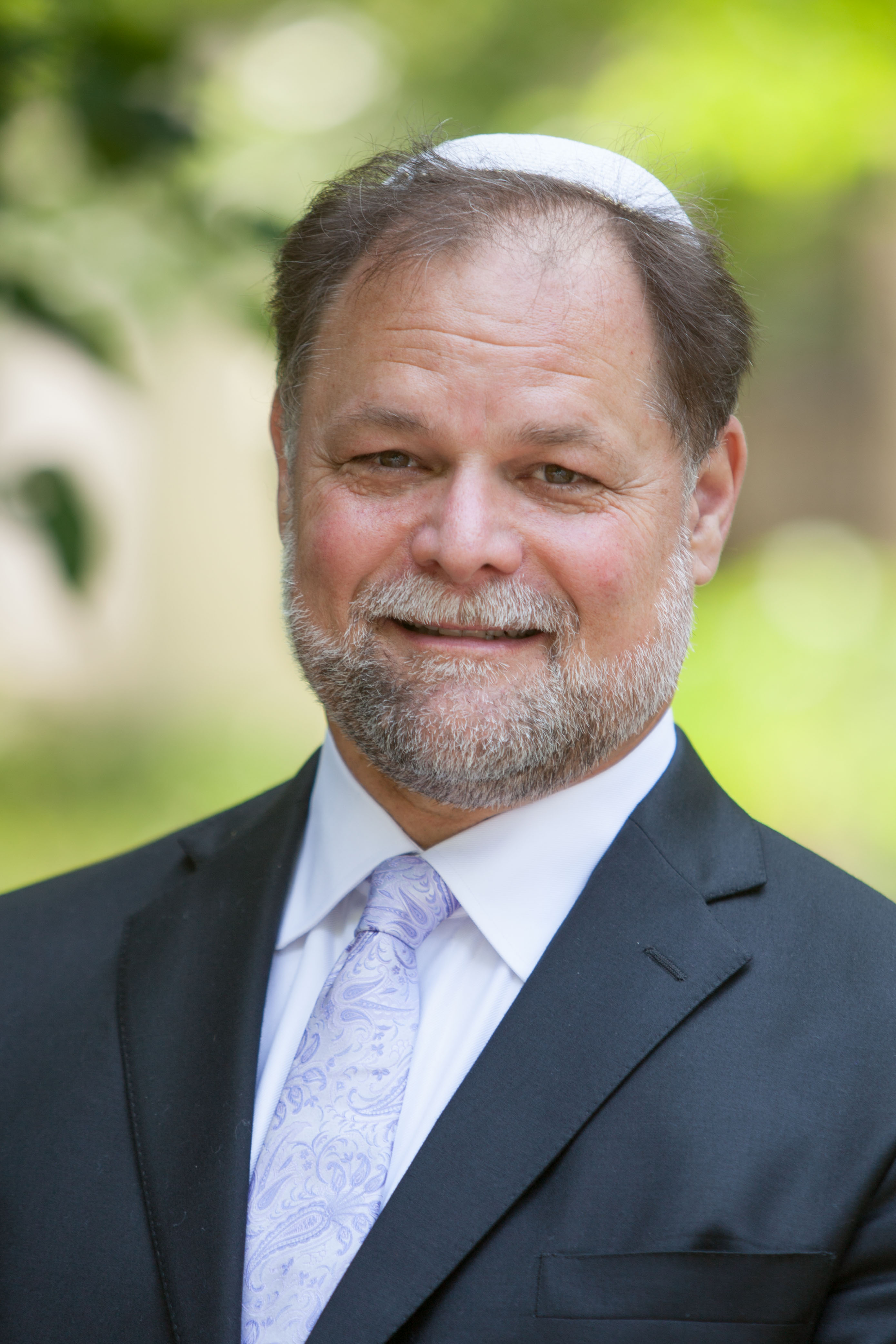 Rabbi David Levin focuses on bringing Jewish wisdom to seekers of meaning. He is the Founder and Director of Jewish Relationships Initiative, a 501(c)3 focused on human relationships, end-of-life challenges, and outreach. Rabbi Levin’s teachings include “The Ethical Legacy Will, Jewish Wisdom Reimagined“- a new approach to the Ethical Will, “Gleanings of a Wandering Jew,” the lessons of our history and personal travel, “Kavod v’Nichum, Understanding Jewish end-of-life rituals,” exploring the ‘why’ underlying our practice,” Resilience” a mash-up of Jewish Wisdom and Disaster Spiritual Care training.
Rabbi Levin is the co-editor of the acclaimed book Jewish End-of-Life Care in a Virtual Age: Our Traditions Reimagined.
Six13 shares this delightful medley for Passover bringing a mash-up of Billy Joel as only they can do.
As we come to the end of Pesach and are about to welcome Shabbat, share some of the fun.
Shabbat Shalom
Ha Lachma Anya
The bread of the Poor
 Buses unloaded their precious cargo at the intake center, women and children from Lviv and Kyiv. Bewildered, they started the process of finding refuge after escaping terror but leaving husbands and fathers behind to fight for Ukraine. We reached across the language barrier and handed the children lollipops. Like our children, they delighted in this unexpected treat. The smiles and laughter strengthened moms, and together they tentatively walked forward toward the refugee center (I cannot show faces to protect the identities of families left behind).
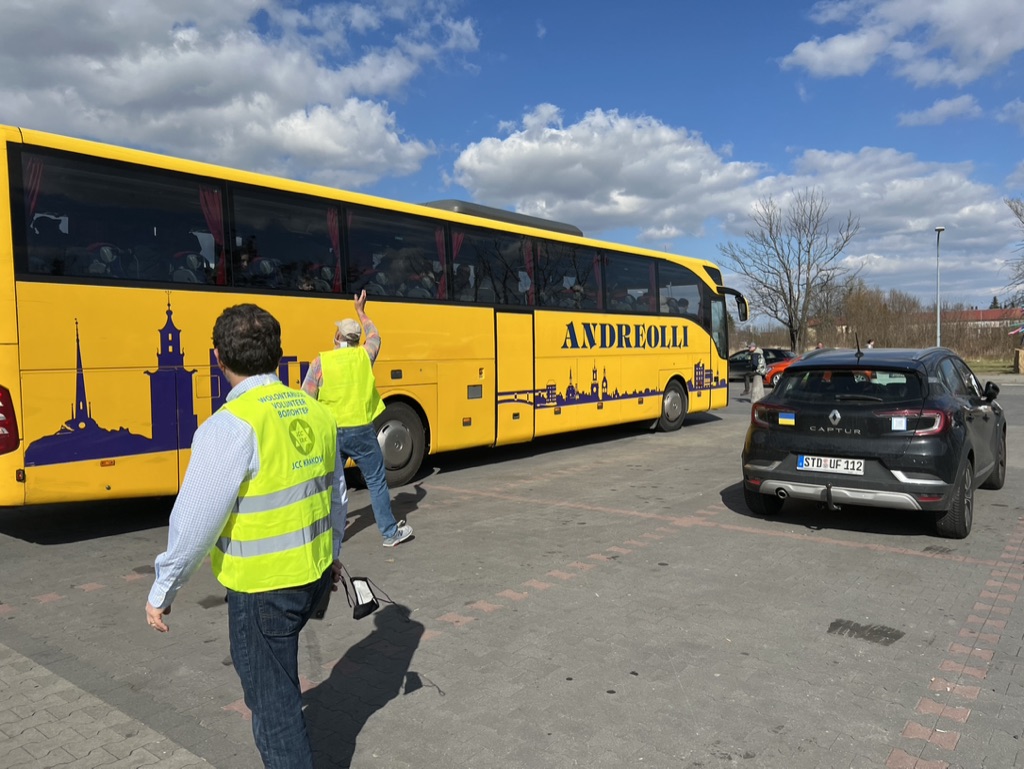
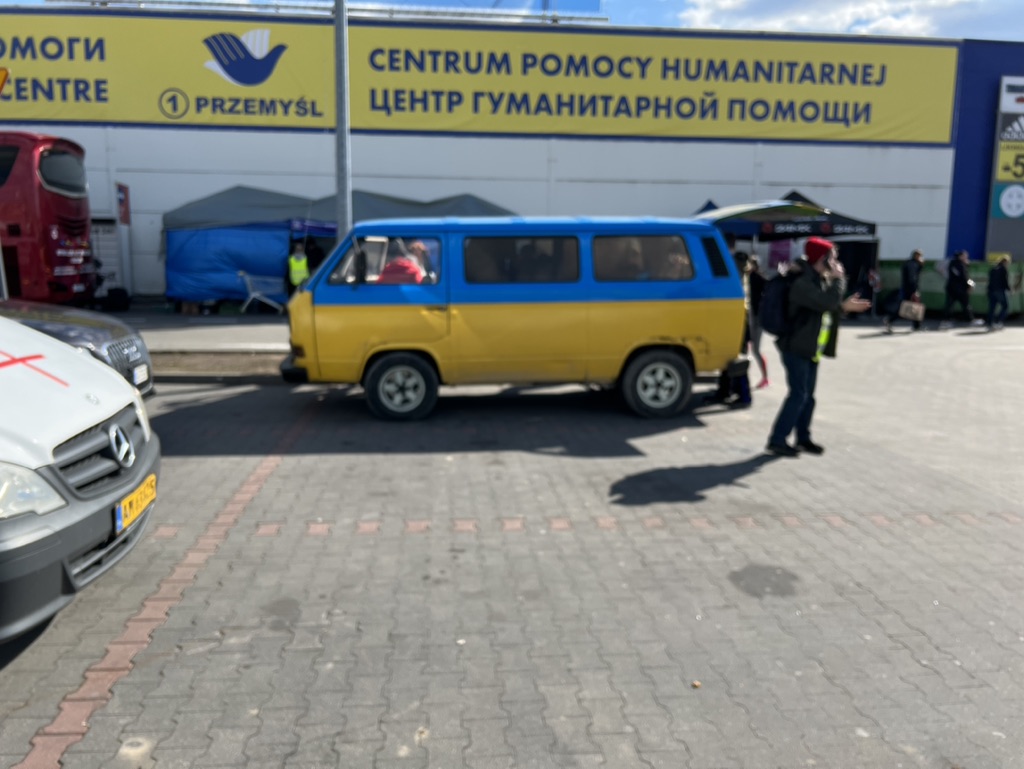 This is the poor person’s bread- a bread of hope and compassion. HaLachma Anya is the simple but profound gesture of giving something to those who have less, even when we do not have much to share. Together, we are one step closer to redemption.
This prayer has always moved me and seems to be deep in my heart this Shabbat.
But the power resides in us. Wishing everyone Shabbat Shalom.
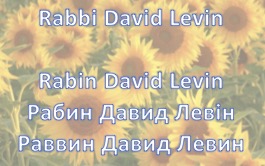
My nametag in English, Polish, Ukrainian, Russian.
Preparing for a very special visit.
Please support the people in need by giving to these or other humanitarian aid groups.