Ask The Rabbi

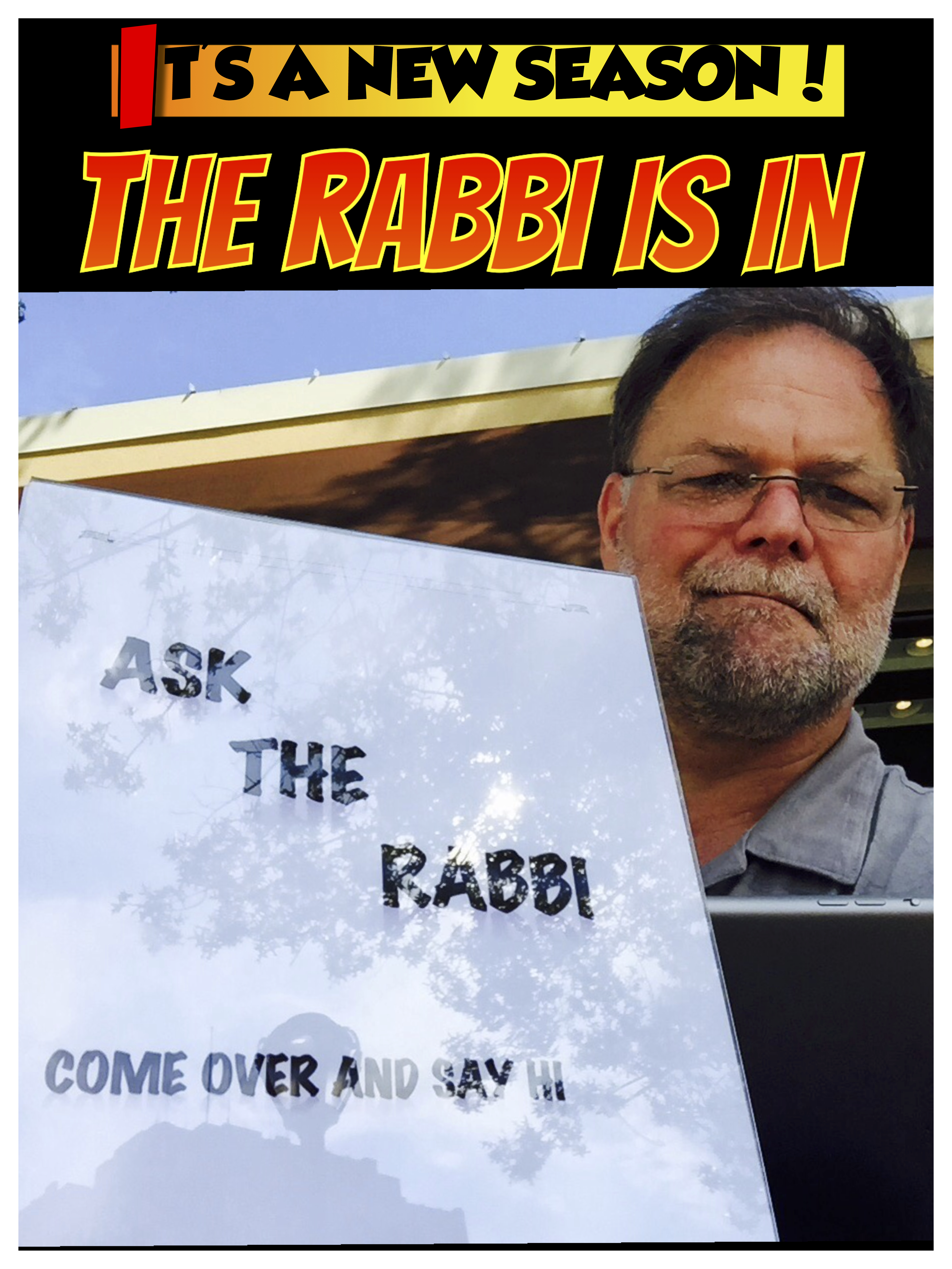
It is Spring, Pesach and time again to launch another season of “Ask the Rabbi.”


ComicBook-App

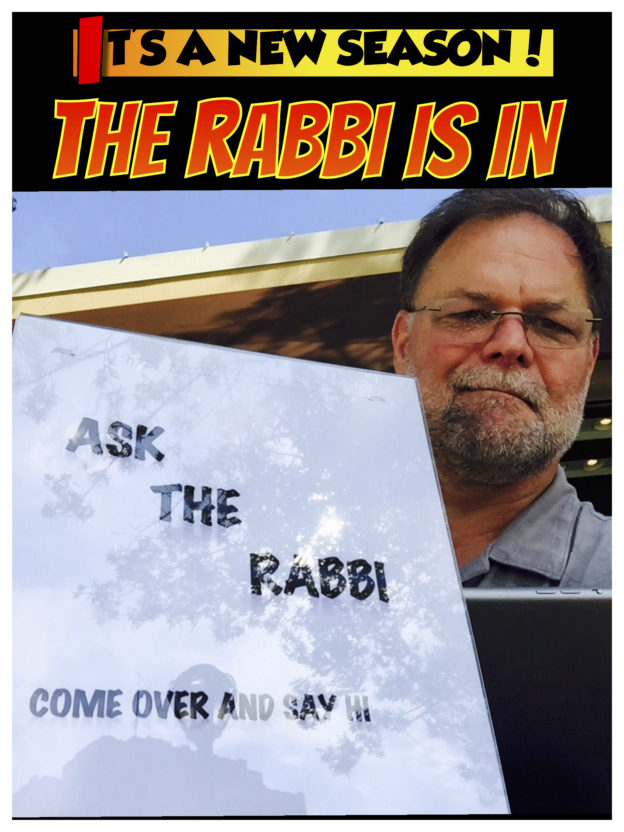
The hardest part about this “Ask the Rabbi” experience was actually mustering up the courage to go and sit down with my little sign announcing my presence.  Once I got over my own fears, I did it.  I took up residence in my space.  I  sat down, pulled out my sign and waited for an opportunity.  A shaded table, a smile and a sincere hello are the key ingredients to this recipe. 

A person might ask “Why do I do this?” (go ahead, I’ll wait)  Simply, it seems like a good idea.  I am out in my community trying to be friendly, to connect to people where they are.  There are no expectations.  It’s just me and another empty chair inviting people to join me.  Reactions run the gamut from ignoring me to embracing me. But here I am.

I am here because I met a friend and colleague for coffee not too long ago and we spent much of our time together saying hello to people we knew and introducing each other and engaging in pleasant conversation.  It got me to thinking about what this might look like to purposefully be present.  Interestingly, other colleagues particularly my fellow friends in Rabbis Without Borders were thinking along similar lines.  Most notably Rabbi Michael and Rabbi Ari have posted their experiences.  (and special kudos to Rabbi Michael for getting the TV publicity and raising awareness of his work.)

We are going to where the people are instead of waiting for them to come through our doors, open as they may be.  And it sends a message that we are out and present in the day-to-day encounters, not solely the ritual events, meetings and conferences we attend, or our institutions.  We are just out here saying hello, sharing some time and welcoming another’s presence, starting a conversation and perhaps a journey together. 

So, Come! Ask the Rabbi!

Saying goodbye to a dear old friend

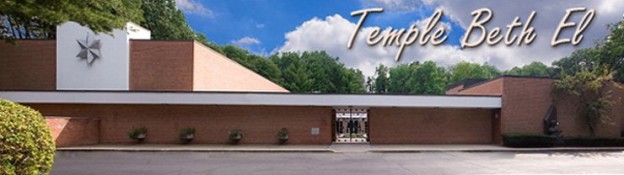
April 15 will be the final day in the life of Temple Beth El in Spring Valley. That was my home growing up. She has merged with another and is now part of the new Reform Temple of Rockland County. Her time has passed, but it is so difficult to say goodbye to a place that is so much a part of me. I learned so much there, developed friendships that still endure, knowledge of my heritage that connects me, a lens through which to look at life and understand it, giving me the foundation upon which to build a meaningful life. It was in this place that I learned about things greater than myself, what it meant to be Jewish, what it meant to be a mensch. My rabbi, Rabbi Frishman z”l, and my cantor, Cantor Weinflash z”l, were towering figures then and still serve as guides along my path. Saying goodbye to this special place is very hard.

The building was much more than a structure; in many ways it was as much home to me as the place I went to lay my head at night. Temple was a place of extraordinary and wonderful experiences. I learned in the classrooms and to teach there as well, to sing in the choir box, to pray in the pews, to engage in the community, to champion important values and causes, to learn about culture and art, to develop a love of Israel and the Jewish people, to ponder great questions and explore the answers, to find meaning under the watchful care of those who loved and nurtured me.

At Temple I became Bar Mitzvah and was married. At Temple I said goodbye to my parents. Our family names adorn the honor wall and Yahrzeit plaques, my dad’s name on the panel of presidents, pictures of me and my brother and sister standing on the bima as part of our confirmation classes, art contributed by my parents, and on and on and on. Words alone are inadequate to express the depth of my emotional attachment this place represents. Almost every corner of the building has a memory of my time there growing up. I am truly blessed to have been there and been a part of it.

On April 15, we will gather one last time in the Sanctuary of Temple to welcome Shabbat and celebrate a place so many of us called home. Temple Beth El lives on in the people who received the gifts from being involved there. Times change and once useful buildings can outlive their purpose, but the relationships and the beauty created in this special place will endure. This is the blessing of Temple bestowed upon us.

Tazria-A metaphor for helping through bereavement

Bereavement

Something bad happens a strange infirmity of the body called Tzaraat appears. Some say it is leprosy, others claim it to be the heartbreak of psoriasis. But it appears on clothing too. Either way, the priest confirms the affliction and the family is moved out of community. The priest tends to the affected individuals watching to confirm that the disease has passed so they can rejoin the population. Something else might be going on here however.

 I was planning a Shiva Minyan teaching the other day and I saw the words of this parshah speaking to us about the grief-stricken family.

 Something calamitous happens when a loved one dies. The loss shakes the family to their core and, as our tradition suggests in our rituals surrounding death, the shock and grief is overwhelming and incapacitating. The seven days of Shiva are marked by an abnegation of needs; the mourners sit on low stools, do not attend to basic items such as grooming, clothes are rent.

 We in the community are tasked to keep a caring eye on the mourner. We check in with them regularly. We bring the Kehillah, or sacred community, to the mourner so they may engage in prayer even though they are unable to come to the synagogue. We bring them food to eat because they are unable to care for themselves. We offer love and support and succor. We watch over them until it is time for them to start the process of re-joining the community. We welcome them with caring embrace when they come back to the synagogue to say Kaddish. Like the priest helping the ailing, we are responsibility to the mourners through the period of Shiva through the time they can return. Shiva is like the exile of old from the community. It is imposed for reasons over which the person has no control but is rendered impure, or in this interpretation separated because of the trauma of loss.

 Tazria shows us that although an ordeal separates the mourner from the community, the community has a responsibility to reach out and continue to support the grief-stricken, acknowledging the difficult place to which they are banished by loss, but caring for them providing protection and then a pathway back to home and life.

The Rabbi Walked out on the Shiva


nancySchon
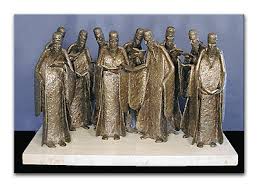
Minyan by Nancy Schon

I recently went to pay a Shiva call. Among the small group was an orthodox rabbi. We chatted and waited for a minyan to arrive. We made a couple of phone calls as the minyan was not materializing. To the surprise of some people in the room, the orthodox rabbi announced he was leaving. How can he do something so outrageous, someone demanded to know of me?  It is so disrespectful; just who does he think he is anyway?  On the contrary, I answered. The rabbi is acting with respect for the mourners.  How can you say that? Because I continued, the rabbi cannot share certain prayers absent a minyan and he cannot be counted in a minyan unless it includes only men. We will only have a minyan if we count the women, so the rabbi did the only thing he thought he could do under the circumstances, he left and essentially gave us permission to proceed. It might seem strange to some, but he was being respectful of both his beliefs and those who were in mourning. In that moment, he found a way to uphold both.

 minyanThere is room here to reflect on whether the decision was the correct one. Could not the rabbi have permitted himself to be counted for our purposes, never considering for himself that he has fulfilled his obligation? Wouldn’t his presence as a close family friend as a source of comfort override his interpretation of his obligation to his particular personal practice?

 The important point is he found a workaround that in his mind upheld his competing duties as he understood them. Then it was up to me to be respectful of the decision whether I agreed or not. Here was a moment that could have created separation as easily as it could create community. It required both “sides” of the conversation to decide which one it was.

What do we leave behind? Thoughts on Glenn Frey and our Personal Legacies

What do we leave behind?oldhandsholdingyoung

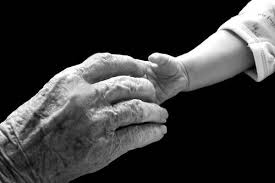
I was saddened to learn of Glenn Frey’s passing. His music and artistry were amazing gifts he shared with us all as a solo artist and through the Eagles. I watched the documentary and thought we will never see him perform again or share new poetry with us. But his legacy of music will endure. I could not help but turn inward and wonder what is my legacy?

This accounting is often referred to as Cheshbon HaNefesh in the Jewish Tradition. But it is more than looking back and making a list; the Cheshbon is more than a list, it is an assessment by us of ourselves. Such a perspective is much more than a posthumous accounting or someone else’s reflection; it means that we can be proactive managing this list and our lives for whatever time we have. We are active, not passive in the process of this accounting. Since it “ain’t over ‘till it’s over,” as the American Philosopher Yogi Berra said, we could change the course of our lives if we are willing to do so.

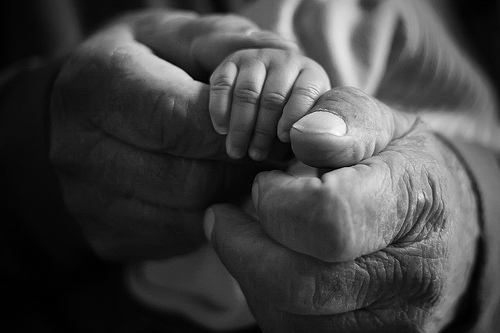
handsOldYoungOften we leave important conversations unspoken. The discomforts we believe these conversations will cause make us shy away from them. But then we miss an extraordinary opportunity. It is never too late to tell those we love that indeed we do love them, until they are gone. We can talk about our lives, the triumphs and the tribulations, the things in which we had success and the times when we missed the mark. We can give them an understanding of their meaning to us; for too often those thoughts are not expressed. By sharing our aspirations and our vulnerabilities we can elevate our relationships by bringing those we care about close to us.

Not all of us possess the gifts of a Glenn Frey and not all of us will have the ability or opportunity to change the whole world. But we do have the capacity to change our piece of the world. We can decide what kind of relationships we create or nurture with those we care about. We choose to add our voice and our support to the people and causes we care about. Through these we change our piece of the world and our legacy is written by us.

Shabbat Shalom and Merry Christmas

dovesThis year Shabbat and Christmas coincide.

 Although our theologies are different, Jews and Christians share values of the Divine; this is a time of peace, love and hope, a taste of the world to come. This year, as we have celebrated the 50th anniversary of Nostra Aetate, we continue to build bridges of learning and understanding. We are finding opportunities in what we share even as we celebrate our differences. As it was for the visiting Angels for Shabbat in the song Shalom Aleichem, so too we pray, “May this always be so.”Shabbat Angels


Wishing our Christian brothers and sisters  a very Merry Christmas and to my fellow Jews a Shabbat of peace and wholeness.

CCAR Statement Condemning Anti-Muslim Bigotry – CCAR

Source: CCAR Statement Condemning Anti-Muslim Bigotry – CCAR

ccarlogo

Tuesday, December 8, 2015

The Central Conference of American Rabbis condemns anti-Muslim bigotry worldwide, in America, and in the campaign for President of the United States. Specifically, we are horrified by Donald J. Trump’s proposal that all Muslims be barred even from visiting the United States, let alone immigrating, especially as refugees are escaping persecution by the very forces that threaten the western world.

Discrimination on the basis of religion is un-American, unconstitutional, and dangerous. Jewish history has taught us that those who will discriminate on the basis of religion threaten the lives and well-being of countless human beings. As Jews, we know the heart of the stranger, and we will not stand idly by when members of another religious group are singled out as strangers.

Rabbi Denise L. Eger Rabbi Steven A. Fox
President Chief Executive

Central Conference of American Rabbis

Thanksgiving Gratitude

thanksgiv-dayHappy Thanksgiving.

With all the troubling things out there, let us all take a moment to recognize the many blessings we have. On this wonderful day that celebrates our bounty let’s find room to be thankful for what we have and resolve to share with those less fortunate in the year ahead.

The gift of our presence to another person is among the greatest presents we can share. Give to the cause that supports others and makes your heart feel gladness and deepen relationships with those around you.

Wishing everyone a Happy Thanksgiving!

The Greatest Nation on Earth is greater than its Fears

circle-line-cruisesI keep repeating that thought as I hear Americans clamoring to shut the doors to Syrian refugees.  It is about fear of terrorists infiltrators I have been told.  I am fearful too, but I am fearful that we risk losing our way and our fear for our security are making us xenophobic and racist in ways not seen since the Japanese were interred in American Concentration camps and Jews were returned to Germany for extermination.  I am fearful that we risk losing the moral bearings that have been our guiding star.  I am fearful that the principles upon which our country was founded are becoming empty words of a time gone by.

We cannot let fear overwhelm us.  We claim the words of Emma Lazarus, immortalized at the Statue of Liberty. We welcome the tired and poor, the huddled masses yearning to be free.  The Syrian refugees certainly fit that description and so did we.  We were once considered the refuse of the world, each of us with an ancestor who came here for the chance at a better life. When lives are hanging in the balance, how can we turn our backs?  The US has a very robust process in place to screen immigrants and the total number of people who endure this almost two-year procedure is small.  We are more than able to absorb these people.  We can save their lives.lazarus1

There is a war underway.  And war is a frightening prospect.  There are extremists who view us as an enemy to be destroyed.  Our defenders have done an amazing job protecting us thus far.  There will be attempted attacks on our soil, and some may even be successful.  We need to be cautious and alert in defending ourselves. They can hurt us, but they cannot defeat us.  Only we can do that.  If we turn our backs on our own core principles, these extremists win an important victory.  If we no longer believe in what makes us great, then we are great no longer.  I fear that more than anything else. 

I urge everyone who believes in our nation to write both Congressperson, Senator and Governor and urge them to defeat measures that close us off from helping refugees.  Support a robust vetting process that is already in place and support groups like HIAS who are dedicated to helping refugees get started here in America.  Then we can still hold our heads up high and ask that God Bless America.