A prayer for peace this Shabbat from Nava Tehila.
Shabbat Shalom.
As another tumultuous week ends, it ends relatively well. I am heartened by the actions of the ACLU and US. District Judge Emmet Sullivan. In the middle of the immigration case, the government deported Carmen and her daughter to El Salvador. Judge Sullivan ordered their return to the United States of Carmen until her case could be heard and ruled upon in the Federal Court. The ACLU brought the suit on her behalf. The judge threatened Attorney General Jeff Sessions with contempt if the Government did not comply with the order.
We are a nation of laws. Thankfully our institutions withstood the capricious and brutal acts of the Administration.
Dina d’Malchuta Dina, the Law of the land is the Law.
One of our most gifted Chazzans’, Cantor Azi Schwartz of Park Avenue Synagogue, version of Lecha Dodi.
An upbeat way to welcome Shabbat at the close of a tumultuous week.
Shabbat Shalom
We Rise- an inspiring song by Batya Levine sung by my friends at the Interfaith Music Project of Philadelphia.
Shabbat Shalom!
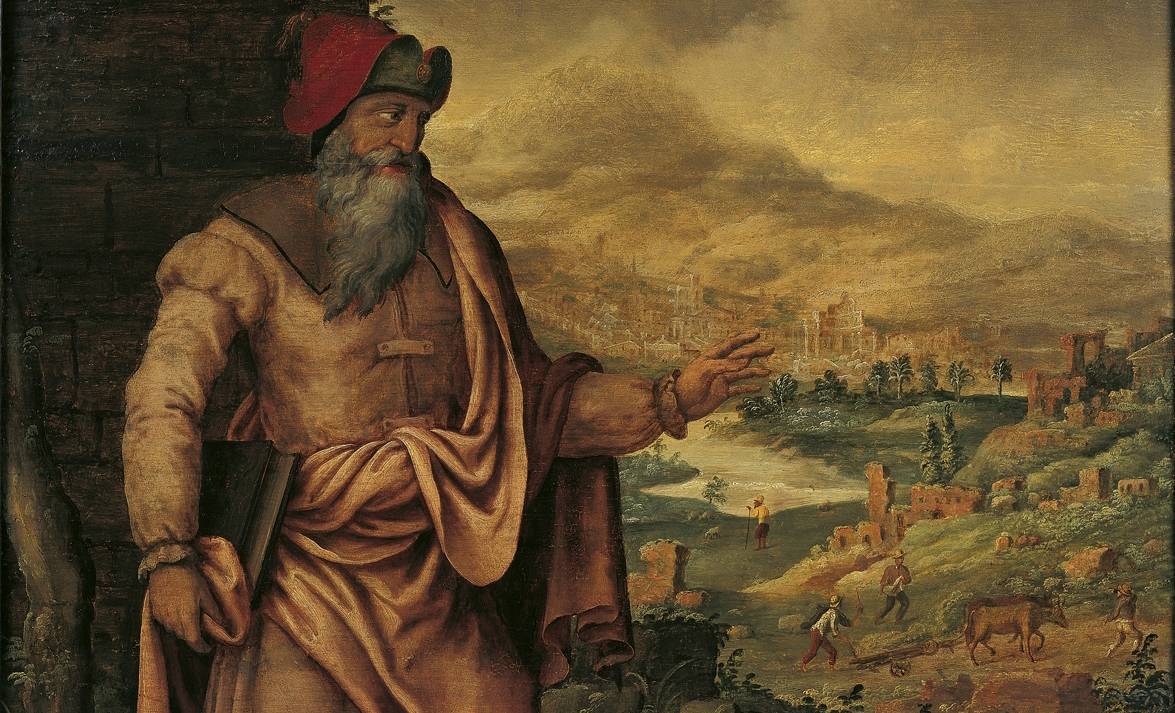
“Nachamu, Nachamu Ami”- Take comfort, my people. So begins Isaiah 40, the readings we use for the Shabbat after Tisha B’Av.
Tisha B’Av is a day of deep sorrow, for so many of the catastrophes that have befallen the Jewish people are linked to this day. We fast and read the book of Lamentations recalling the destruction of the First Temple.
The prophet’s urging to take comfort seems more than for us to be consoled in our time of grief. It urges us to look beyond our grief. For we will rise up, continuing life continuing the ongoing work as partners in God’s creation in spite of, or perhaps because of the loss that we encounter. We will remember, but we are exhorted to move forward both as individuals and as a people. The world will go on and we must take our place to continue to build.
History has shown that out of the ashes, like a phoenix, we will rise up. Carrying our memories of what was lost, we will create new memories. As we commemorate the losses marked on Tisha B’Av, we also take tentative but deliberate steps forward out of our grief towards our tradition’s aspirations of a better world that we work to create and we find our comfort through this renewed purpose.
When we rise from Shiva, we are instructed to go outside and walk around the block. This is symbolic of our reentering the world. Changed because of our loss, but compelled to move forward honoring the memory of the loved one lost, or in this case, the loss befallen upon our people. The values we hold dear; caring for the widow and stranger, clothing the naked and feeding the hungry are the cornerstones for the ongoing work of Tikkun Olam and creation that is ever-present. We must also vote; for voting is our most precious special franchise granted to all who are blessed to live in the United States. We can leverage our work through elected representatives fighting for us to achieve our vision of a better world.
We rise not only with our voices but with our actions. For ours is to pray with our feet, as Rabbi Heschel once said. We can make our country and our world a better and more compassionate place through our actions. Nachamu, Nachamu Ami.
An interesting way to welcome Shabbat from 8th Day, an American Chasidic pop-rock band from California.
Enjoy and Shabbat Shalom!
 As we begin the last book of the Torah, Moses confronts this question in Parshat Devarim.
Even the title begs the question. Devarim, what are the words and things? What is the story we will tell to those we hope will carry it in their hearts after we are gone?
For most of us, this requires us to project forward in order to look back. But it cannot be make-believe; our legacy will be based on the life we live. The things we do will be the basis for the memories our loved ones will recall. How we touch their lives will define whether they can celebrate having had us in their lives. Our legacy will not have the great accomplishments of Moses, of course as our tradition tells us, there has never been another like Moses. Our legacy will be the impact and influence we have had on our loved ones. But will we be the best version of ourselves?
The story is told of Reb Zusya, the Chasidic Master, who struggled at the end of his life. He awoke panicked from a dream about the prospect of entering Heaven. His students tried to support their beloved teacher claiming he was indeed great like Moses and Abraham. Zusya replied that he knew that God would not compare him to Moses and Abraham but instead, God would ask why Zusya wasn’t more like Zusya?
If we do not live up to all that we can be, we do not realize our full potential. And importantly, we let ourselves and our loved ones down. Only we can write our story by living our lives as best and as fully as we can. Then we will truly leave a worthy inheritance, a life of merit and honor, of love and accomplishment that will touch the hearts of those we care about.
Six13 ushers in Shabbat with this lovely song. You will want to watch it twice, once before Shabbat starts and once when the new week begins.
Shabbat Shalom!
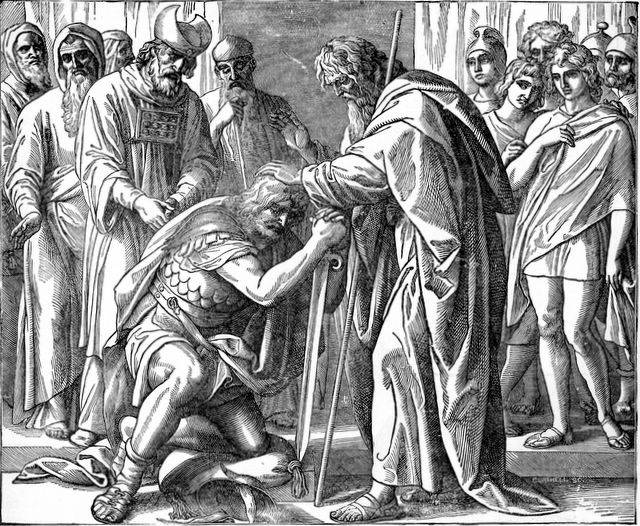 Your loved ones are your legacy. That is an important message I learned from last week’s Torah Portion Pinchas. We must consciously remember those closest to us, especially even when our work, our mission, or our very essence might have us focus on everyone else.
Pinchas’ legacy is established in the aftermath of his zealotry. The legacy of Zelophehad is also set; his daughters ensuring their father’s name is not lost and they can be rightful inheritors of his property. Moses passes the mantle of leadership to Joshua as part of his legacy. However, two people are glaringly missing: Gershom and Eliezer, the two children of Moses. What happened to them?
We can only imagine the ambivalence of these two sons watching their father in all his greatness. They see him lead with the most profound wisdom and love for both his people and God, yet he loses sight of his own children. It is a sad state of affairs for these two children to be ignored. The text screams out in its complete silence; for there is no mention of them at all. It is a modern-day message to all of us.
How often do we neglect our own? For many of us in the “caring” professions, the demanding hours prioritize others over family. For those of us in the clergy, the RKs (Rabbi’s Kids) often complain they are neglected because their parent is so busy actively involved in the lives of the congregants they serve. And those of us dedicated to building a career, we find long hours away from our children the price we pay for success.
For us to leave a truly worthy legacy, even the greatest among us need to make time for those closest to us. We all have shortcomings and with the benefit of hindsight, we all know where we could have done better. But more importantly, we need to know in our hearts that we do the very best we can and what we do is for the benefit of our family. For if we do that, then our children will know that they were loved. And that is the most beautiful blessing and legacy of all.
As we move toward the conclusion of Kabbalat Shabbat, we share Psalm 92.
Nava Tehila shares their beautiful music with us. A song for Shabbat, It’s good to give thanks to the Eternal.
Shabbat Shalom