Prayer for those in the path of Hurricane Matthew

A prayer for our friends and families in the path of Hurricane Matthew

thu-am-surgeMay you find shelter from the storm, a safe passage until it has passed and may you emerge whole and unharmed.

My thoughts turn to the Hashkivenu prayer, said as part of the evening (Ma’ariv) service asking for God’s protection during the night at a time when we are so vulnerable. I hope that it provides some comfort.

Be Safe

הַשְׁכִּיבֵנוּ יְיָ אֱלֹהֵינוּ לְשָׁלוֹם וְהַעֲמִידֵנוּ מַלְכֵּנוּ לְחַיִּים. וּפְרוֹשׂ עָלֵינוּ סֻכַּת שְׁלוֹמֶךָ וְתַקְּנֵנוּ בְּעֵצָה טוֹבָה מִלְּפָנֶיךָ וְהוֹשִׁיעֵנוּ לְמַעַן שְׁמֶךָ וְהָגֵן בַּעֲדֵנוּ. וְהָסֵר מֵעָלֵינוּ אוֹיֵב דֶּבֶר וְחֶרֶב וְרָעָב וְיָגוֹן וְהָסֵר שָׂטָן מִלְּפָנֵינוּ וּמֵאַחֲרֵינוּ וּבְצֵל כְּנָפֶיךָ תַּסְתִּירֵנוּ כִּי אֵל שׁוֹמְרֵנוּ וּלְשָׁלוֹם מֵעַתָּה וְעַד עוֹלָם. בָּרוּךְ אַתָּה יְיָ הַפּוֹרֵשׂ סֻכַּת שָׁלוֹם עָלֵינוּ וְעַל כָּל עַמּוֹ יִשְׂרָאֵל וְעַל יְרוּשָׁלָיִם.

Hashkiveinu, Adonai Eloheinu, l’shalom, v’haamideinu shomreinu l’chayim, ufros aleinu sukat sh’lomecha, v’takneinu b’eitzah tovah milfanecha, v’hoshi-einu l’maan sh’mecha. V’hagein baadeinu, v’haseir mei-aleinu oyeiv, dever, v’chere, v’raav, v’yagon, v’harcheik mimenu avon vafesha. Uv’tzeil k’nafecha tastireinu, ki El shomreinu umatzileinu atah, ki El chanun v’rachum atah. Ushmor tzeiteinu uvo-einu l’chayim ul’shalom, mei-atah v’ad olam. Baruch atah, Adonai, haporeis sukat shalom aleinu v’al kol amo Yisrael v’al Yerushalayim.

Grant that we may lie down in peace, Eternal God, and awaken us to life. Shelter us with Your tent of peace and guide us with Your good counsel. Shield us from hatred, plague, and destruction. Keep us from warm famine and anguish. Help us to deny our inclination to evil. God of peace, may we always feel protected because You are our Guardian and Helper. Give us refuge in the shadow of Your wings. Guard our going forth and our coming in and bless us with life and peace. Blessed are You, Eternal God, whose shelter of peace is spread over us, over all Your people Israel, and over Jerusalem.

The Godliness of Forgiveness- It’s all about me


mobiusbraceletHow do I forgive? I am supposed to use the month of Elul to prepare for Rosh Hashanah. It is a time of introspection, to reflect on how I can improve in the year to come by looking at where I went astray in the year past. I need to seek forgiveness from God as I bare my soul. But our tradition teaches I cannot ask God for forgiveness until I have sincerely attempted to reconcile with my fellows. It all starts and ends with me.

 Who among us does not deserve an apology from someone who has treated us improperly? But am I ready to welcome that apology if it comes? And if it does not come, am I prepared to reach out and help those who do not know how to ask for forgiveness and how would I do that? It is very hard to rise above my pain and hurt to embrace the humanity in the other.

 And what about those whom I have wronged? Can I find it in myself to be contrite and ask forgiveness from them? Pride and principle often get in the way, blocking what could otherwise be a caring relationship. Even when I sincerely believe I am right, standing on principle creates an impasse. Then I must consider whether it is more important to be right or to be the one who can reach out and embrace someone I care about.

 Finally and very importantly is forgiving myself. I look inside and see my shortcomings, the places where I did not do as I hoped I would, the places where I am shackled by guilt, immobilized by my personal sense of shame or deficiencies. I am the victim of the harshest critic of all, me. What can I do to finally say I am sorry; I forgive me so I can finally begin to heal from my wounds and move forward, not place a bandage over them. Keeping them locked inside only chains me to a past filled with hurt.

 Sins and transgressions are big and small. Whichever they are, my inability to move beyond them and sit in judgment places barriers between us. They estrange me from those I love locking me into a narrow place. If I can move beyond the pain and hurt, however, forgiveness can be a transformative experience. It is quite difficult but when I truly forgive, a great weight is lifted from me. Barriers that once separated fall and I can reunite with those who had become distant whether it is another I love or the child within. If I can temper “din” (judgment) with “rachamim” (mercy), then I am acting in a more Godly, selfless way. And perhaps it is through these acts of human forgiveness I might attain forgiveness from the Eternal One.

 Perhaps the first step on this path is through our traditional MiShebeyrach prayer for healing. May the one who blessed our fathers and our mothers bless those in need of healing with a refuah shlemah, a restoration of completeness. I will speak the words for them and for me too.

 May this be a year of health, wholeness, and healing for us all~

L’Shana Tova!

The pressing message of urgency in Parashah Acharei Mot

CoachingReconciling the strange message of death

 Acharei Mot opens with an instruction from God about Yom Kippur prefaced by a bizarre phrase: “After the death of the two sons of Aaron who died when they drew too close to the presence of the Lord.” Is this a warning to Aaron that he has a job to do, so get to it, but do it right or you will end up like your kids? That seems like the unnecessarily harsh treatment of Aaron. Why would God start off in this way? Perhaps it is to guide us toward a deeper idea surrounding the urgency of atonement.

 Kippur is translated as Atonement, broken down to mean becoming “at one” with God. We atone when we harmonize ourselves with God. In this Parashah’s connection with the Yom Kippur ritual, the High Priest is responsible for creating this harmony between God and the people. Aaron is given elaborate instructions in this Parashah to prepare himself and to also prepare the Holy of Holies so that all will emerge pure and in line with God. Later we learn of how the people are involved in the Yom Kippur rituals. Our later writings further elaborate that only asking forgiveness of God is insufficient. But the opening of Acharei Mot challenges us more than with the importance of doing the rituals right. There was a need for action and T’shuva demonstrating a cleansed and pure heart.

 Leading with the seemingly incomprehensible deaths of Nadav and Abihu creates a powerful message intended to shock us into action. We understand that forgiveness of one another is important; before we can reconcile with God, we must reconcile with each other. However, full presence is necessary to the process and time is of the essence. T’shuva and forgiveness are critically important and must not be put off. In the normal course of relationships, such as between parent and child, we hope that parent and child reconcile before the parent is gone. Often we still wait, postponing such conversations until we see parents in their decline. But in Acharei Mot, the stark tragedy of Aaron’s two sons being struck down before his eyes makes the urgent message of atonement even more jarring. The gift of life is precious and tenuous; the estrangements that we may feel need to be repaired before it is too late to repair them at all. The unexpected deaths of Aaron’s sons, command our attention to acting immediately. But it must be with full intention and presence.

 Aaron is warned not to come inside the Holy of Holies at will lest he dies. He must be thoroughly prepared. The High Priest’s preparation and cleansing of the sanctuary are symbolic of the cleansing that needs to occur within each of us. Like the careful removal of all impurity in the holy sanctuary we too need to be cleansed and prepared, so we can approach another with an open heart both asking and giving forgiveness. When we search deep inside ourselves, we often find the hurts we have caused and the wounds we have suffered should not keep us estranged from each other. Our Relationships are precious. We have too little time before it is over, people die and relationships fade into memories.

 Acharei Mot assertively and starkly makes us confront the significance of forgiveness set against the backdrop of our mortality. We risk a lifetime of regret and guilt about things we might have done but did not. The Parashah metaphorically challenges us to find the way back into relationships and again become “at one” with another. Acharei Mot gives perspective to us, showing the overriding need to reconcile with and forgive those we should care about while we are still blessed with the time to share.

Saying goodbye to a dear old friend

April 15 will be the final day in the life of Temple Beth El in Spring Valley. That was my home growing up. She has merged with another and is now part of the new Reform Temple of Rockland County. Her time has passed, but it is so difficult to say goodbye to a place that is so much a part of me. I learned so much there, developed friendships that still endure, knowledge of my heritage that connects me, a lens through which to look at life and understand it, giving me the foundation upon which to build a meaningful life. It was in this place that I learned about things greater than myself, what it meant to be Jewish, what it meant to be a mensch. My rabbi, Rabbi Frishman z”l, and my cantor, Cantor Weinflash z”l, were towering figures then and still serve as guides along my path. Saying goodbye to this special place is very hard.

The building was much more than a structure; in many ways it was as much home to me as the place I went to lay my head at night. Temple was a place of extraordinary and wonderful experiences. I learned in the classrooms and to teach there as well, to sing in the choir box, to pray in the pews, to engage in the community, to champion important values and causes, to learn about culture and art, to develop a love of Israel and the Jewish people, to ponder great questions and explore the answers, to find meaning under the watchful care of those who loved and nurtured me.

At Temple I became Bar Mitzvah and was married. At Temple I said goodbye to my parents. Our family names adorn the honor wall and Yahrzeit plaques, my dad’s name on the panel of presidents, pictures of me and my brother and sister standing on the bima as part of our confirmation classes, art contributed by my parents, and on and on and on. Words alone are inadequate to express the depth of my emotional attachment this place represents. Almost every corner of the building has a memory of my time there growing up. I am truly blessed to have been there and been a part of it.

On April 15, we will gather one last time in the Sanctuary of Temple to welcome Shabbat and celebrate a place so many of us called home. Temple Beth El lives on in the people who received the gifts from being involved there. Times change and once useful buildings can outlive their purpose, but the relationships and the beauty created in this special place will endure. This is the blessing of Temple bestowed upon us.

Tazria-A metaphor for helping through bereavement

Bereavement

Something bad happens a strange infirmity of the body called Tzaraat appears. Some say it is leprosy, others claim it to be the heartbreak of psoriasis. But it appears on clothing too. Either way, the priest confirms the affliction and the family is moved out of community. The priest tends to the affected individuals watching to confirm that the disease has passed so they can rejoin the population. Something else might be going on here however.

 I was planning a Shiva Minyan teaching the other day and I saw the words of this parshah speaking to us about the grief-stricken family.

 Something calamitous happens when a loved one dies. The loss shakes the family to their core and, as our tradition suggests in our rituals surrounding death, the shock and grief is overwhelming and incapacitating. The seven days of Shiva are marked by an abnegation of needs; the mourners sit on low stools, do not attend to basic items such as grooming, clothes are rent.

 We in the community are tasked to keep a caring eye on the mourner. We check in with them regularly. We bring the Kehillah, or sacred community, to the mourner so they may engage in prayer even though they are unable to come to the synagogue. We bring them food to eat because they are unable to care for themselves. We offer love and support and succor. We watch over them until it is time for them to start the process of re-joining the community. We welcome them with caring embrace when they come back to the synagogue to say Kaddish. Like the priest helping the ailing, we are responsibility to the mourners through the period of Shiva through the time they can return. Shiva is like the exile of old from the community. It is imposed for reasons over which the person has no control but is rendered impure, or in this interpretation separated because of the trauma of loss.

 Tazria shows us that although an ordeal separates the mourner from the community, the community has a responsibility to reach out and continue to support the grief-stricken, acknowledging the difficult place to which they are banished by loss, but caring for them providing protection and then a pathway back to home and life.

Remembering my Father

Memorial candle copyThis week marks the fifth anniversary of my father’s passing, z”l. I lit a candle and will say Kaddish commemorating his Yarhzeit. Around the same time dad died, another person, Debbie Friedman also passed away. She was indeed a special individual, an iconic figure in the Reform Movement, and her passing is marked by several public acknowledgements this week.

I recall returning to my studies at the seminary after Shiva and hearing the buzz about the ceremonies planned to mark Debbie’s passing and feeling the sense of loss that pervaded the institution. Her contribution to Judaism was great and many of us, including me, will miss her. I could not help but notice the disparity in the treatment of the two. Although my dad touched fewer lives, he did touch lives and many cared about him. And what’s more of course, he was my dad and the loss is profound for me.

 As a Reform Jew I usually stand on behalf of those for whom there is no one left to say Kaddish as a respectful reminder of the victims of persecutions throughout our history. I also stand with those who mourn. This week I will also do it as a son remembering his father. It is acknowledging this personal loss that makes Kaddish Yatom, the orphan’s Kaddish.

 Our losses whether personal or communal can be intimate, closely felt. Many people may figure prominently in our lives, deeply affecting us even if we never met them. My father and Debbie both died that week five years ago. The loss of one does not impact the loss of the other. Each person who touches us can be a blessing and an inspiration for us to remember, their best motivating us to live our lives better and more fully. Zichronam Livrachah, May their memories be a blessing.

Shabbat Shalom and Merry Christmas

dovesThis year Shabbat and Christmas coincide.

 Although our theologies are different, Jews and Christians share values of the Divine; this is a time of peace, love and hope, a taste of the world to come. This year, as we have celebrated the 50th anniversary of Nostra Aetate, we continue to build bridges of learning and understanding. We are finding opportunities in what we share even as we celebrate our differences. As it was for the visiting Angels for Shabbat in the song Shalom Aleichem, so too we pray, “May this always be so.”Shabbat Angels


Wishing our Christian brothers and sisters  a very Merry Christmas and to my fellow Jews a Shabbat of peace and wholeness.

It Takes Two Mr. Abbas

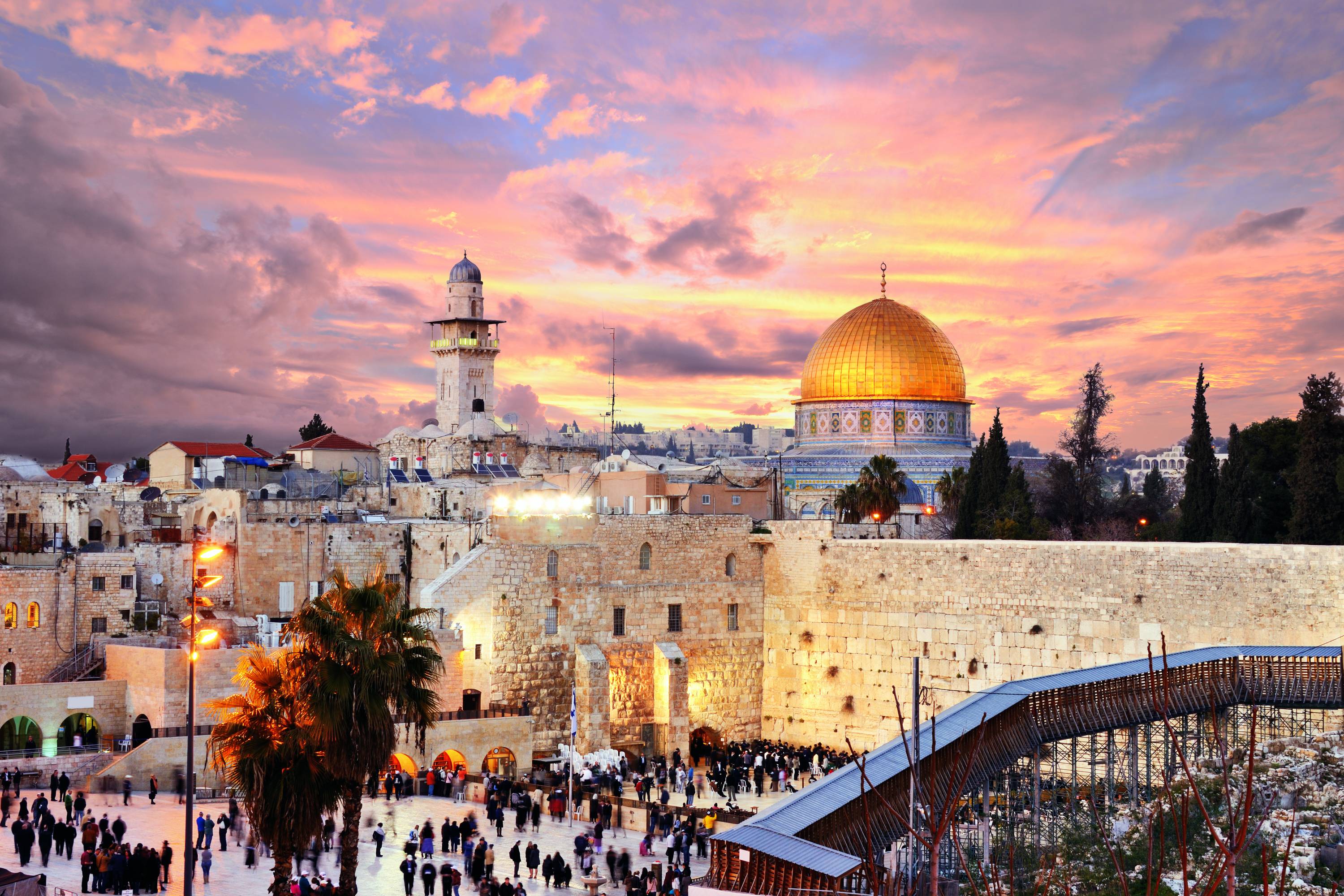
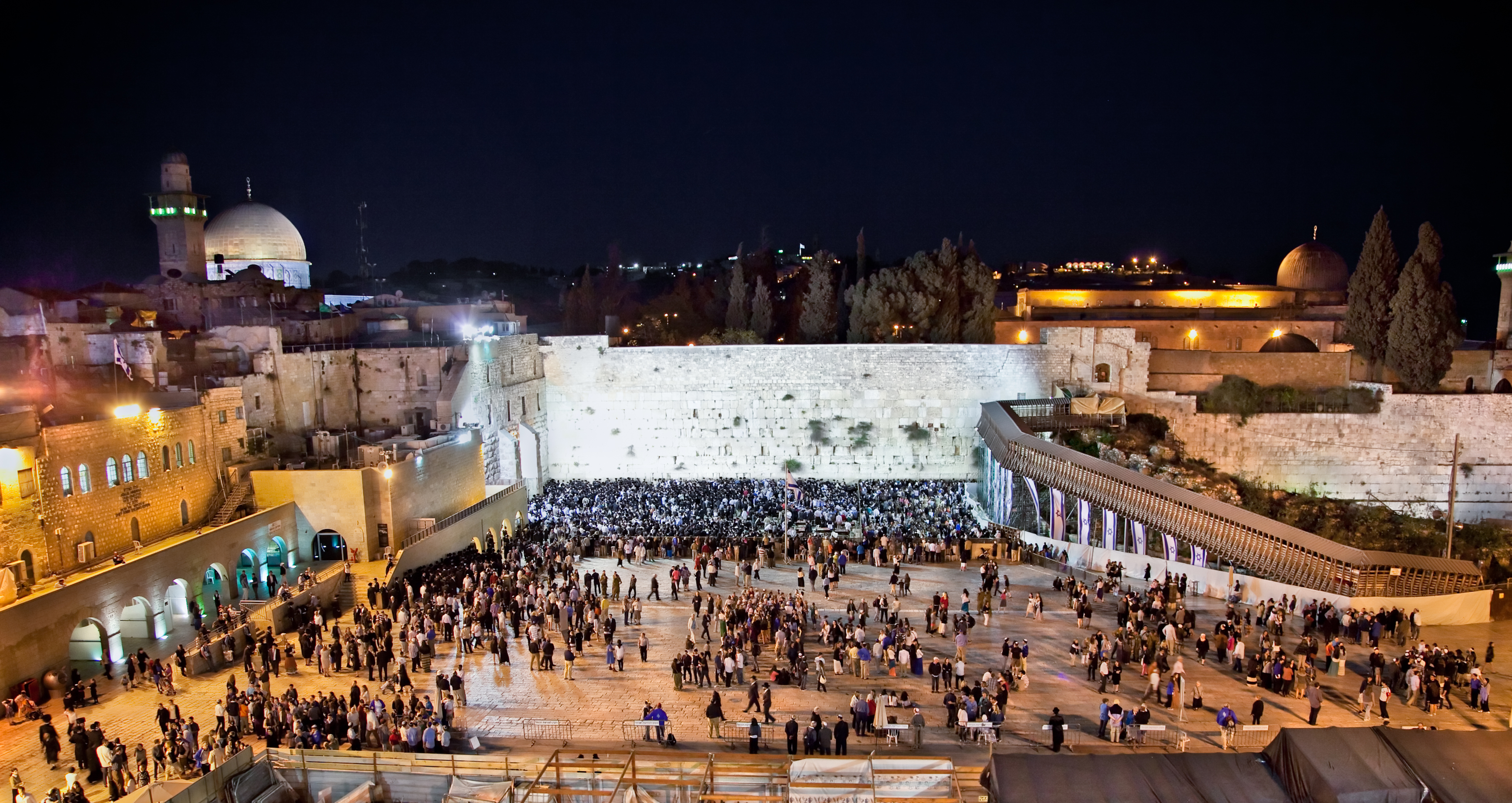
DomeSo much of the angst between Israeli and Palestinian sides has been centered around finger pointing. We find it easier to tell the other side what it must do before peace can come. We put the onus on them, we remain ready to go, with no hard decisions to make. So Netanyahu digs his heels in. And Abbas likewise takes an intractable stand.

Those of us who advocate for a two state solution speak of our ability to control only what happens on our side. We talk about the things that we can do to create space for peace or even unilateral moves to achieve peace. We continually call upon the Israeli government to take proactive steps regarding restarting peace talks and settlements. But realistically that is not enough.

The truth remains that peace can only come when both sides are prepared to make the difficult and courageous choices which include concessions neither want to make. But they both are compelled to make these compromises in order to create the greater good of peace for all. Leadership must be prepared to truly be visionaries and take bold steps.

So Mr. Abbas, your people, the world and your potential ally Israel are watching current events and your responses very closely. We hear your silence when youngsters brutally attack with knives and deliberately place themselves in harms way in a futile and desperate attempt to incite and murder. We hear your voice fanning the flames of hate with falsehoods playing on the emotions of the Moslem faithful regarding the Temple Mount/al-Haram al-Sarif/Har Habayit and the purposeful false report of the death of a 13-year-old. Through these things, you clearly tell us where you stand as the leader of the Palestinians and on the opportunity for peace. You appear to have turned your back on your people. You are willing to make them a nation of perpetual martyrs, permanently disenfranchised with no hope of a homeland, only the fantasy of victorious war over Israel.

It is time to make Israel your ally. She is both legitimate and permanent. So the choice is yours. A never-ending battle using your people as pawns or the creation of a viable peace between two nations living cooperatively. Ultimately perhaps your goal might be to someday stand like Ronald Reagan and declare it is the time for the Security wall to come down. And in an era of peace, your Israeli counterpart will be all too likely to comply.

Kavannah for Shabbat of Unity with the People of Israel

Wolpe

One of our great teachers, Rabbi David Wolpe, shared the following Kavannah, prayer, for this Shabbat.  I am honored to share his eloquent and thoughtful words below:

We invite people around the world to recite this kavannah in unity with the State of Israel this Shabbat, October 17, 2015

El Maleh Rachamim — Compassionate God,

We pray not to wipe out haters but to banish hatred.

Not to destroy sinners but to lessen sin.

Our prayers are not for a perfect world but a better one

Where parents are not bereaved by the savagery of sudden attacks

Or children orphaned by blades glinting in a noonday sun.

Help us dear God, to have the courage to remain strong, to stand fast.

Spread your light on the dark hearts of the slayers

And your comfort to the bereaved hearts of families of the slain.

Let calm return Your city Jerusalem, and to Israel, Your blessed land.

We grieve with those wounded in body and spirit,

Pray for the fortitude of our sisters and brothers,

And ask you to awaken the world to our struggle and help us bring peace.