Author: Rabbi David Levin

  • Sukkot 5785


    We are about to begin the holiday of Sukkot.  From My Jewish Learning, this is an overview of the holiday:

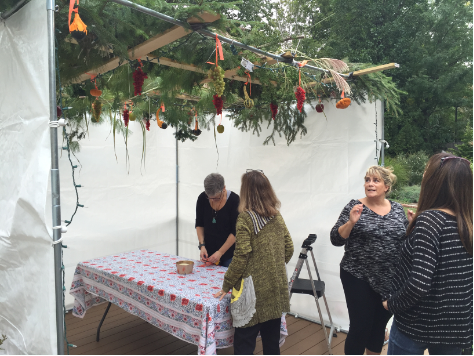
    Beginning five days after Yom Kippur, Sukkot is named after the booths or huts (sukkot in Hebrew) in which Jews are supposed to dwell during this week-long celebration. According to rabbinic tradition, these flimsy sukkot represent the huts where the Israelites dwelt during their 40 years of wandering in the desert after escaping from slavery in Egypt. The festival of Sukkot is one of the three great pilgrimage festivals (chaggim or regalim) of the Jewish year.

    Here is the link to the full article: https://www.myjewishlearning.com/article/sukkot-101/

    By using the Sukkah, we glimpse the experience of our vulnerability.

    And this moment of vulnerability requires us to think of those held captive.  We pray for and demand the release of the hostages.

    We are told to eat at least one meal in the Sukkah.  On a lovely fall evening, you can see the stars through the Skach, covering the top.  But on cold or rainy evenings, it is another entirely different experience, and we certainly get the message of being vulnerable!  (By the way, our great sage, Maimonides, suggests strongly that when it’s rainy, go inside!)

    One of the interesting aspects of “dwelling in the Sukkah” is the ritual of inviting the Ushpizin.  These are our revered forebears with whom we’d love to talk and glean some of their wisdom.  It started with Abraham, Isaac, Jacob, Joseph, Moses, Aaron, and King David.  It is extended to include the great matriarchs Sarah, Miriam, Deborah, Hannah, Abigail, Huldah, and Esther. And it is a chance to broaden the guest list even further.  I have invited loved ones, particularly my great-grandfather.  Who is on your guest list?


  • Shalom

    As we approach Yom Kippur and Shabbat, may we receive forgiveness and forgive.

    W all pray for the hostages to return home and for peace in 5785.

    Gmar Chatima Tova and Shabbat Shalom

  • Yizkor 8785

    October 7 marks the solemn first anniversary.

    These are the individuals we have lost.  If you are blessed not to need to attend Yizkor services for lost loved ones this year, show up to share a moment of remembrance for these souls.

    https://www.timesofisrael.com/those-we-have-lost/


  • Shabbat Shuva Shalom

    Shabbat Shuva, the Shabbat of Return, is the Shabbat between Rosh HaShannah and Yom Kippur.

    Nesshama Carelbach’s beautiful rendition of her father’s song is a wonderful way to welcome us to this special time.

    Close your eyes and become a part of this meditative experience.

    G’mar chatima tova, May you have a good seal- May it be a year of health and blessing.

  • A Tochecha

    Donald Trump words must be rebuked.

    The dark rantings and ravings, the calls for violence, and the hatred of others is unacceptable.  It has no place in civil society and needs to be condemned.


  • Shabbat Shalom

    During Elul, we include Psalm 27 in our prayers.  Line 4 is most familiar, performed by the incomparable Chava Mirel and translated by Rabbi Rachel Barenblat:

    Only one thing do I ask of You, Yah:
    Just this alone do I seek, I want to be at home with you, Yah,
    All the days of my life.
    I want to delight in seeing You.
    Seeing You when I come to visit You in Your temple.

    Shabbat Shalom

  • Shabbat Shalom

    We welcome Shabbat with the song Shalom Aleichem, May Peace be upon you.

    It is a message brought by the Angels of the Divine and a way for us to greet each other.

    May this Shabbat be one of peace.

    Shabbat Shalom

  • Shabbat Shalom

    In response to the 1973 Yom Kippur War and inspired by the Beatles, Let It Be, Naomi Shemer created Lu Yehi, Let it be.

    This Shabbat, we continue to pray for the hostages to come home, and for the bloodshed to stop.

    Shabbat Shalom

  • Baruch Dayan HaEmet

    Baruch Dayan HaEmet


    Baruch Dayan HaEmet

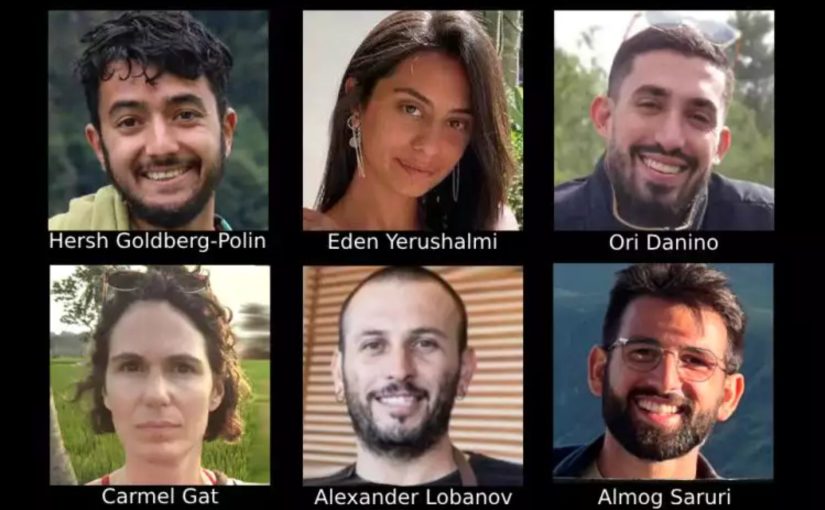
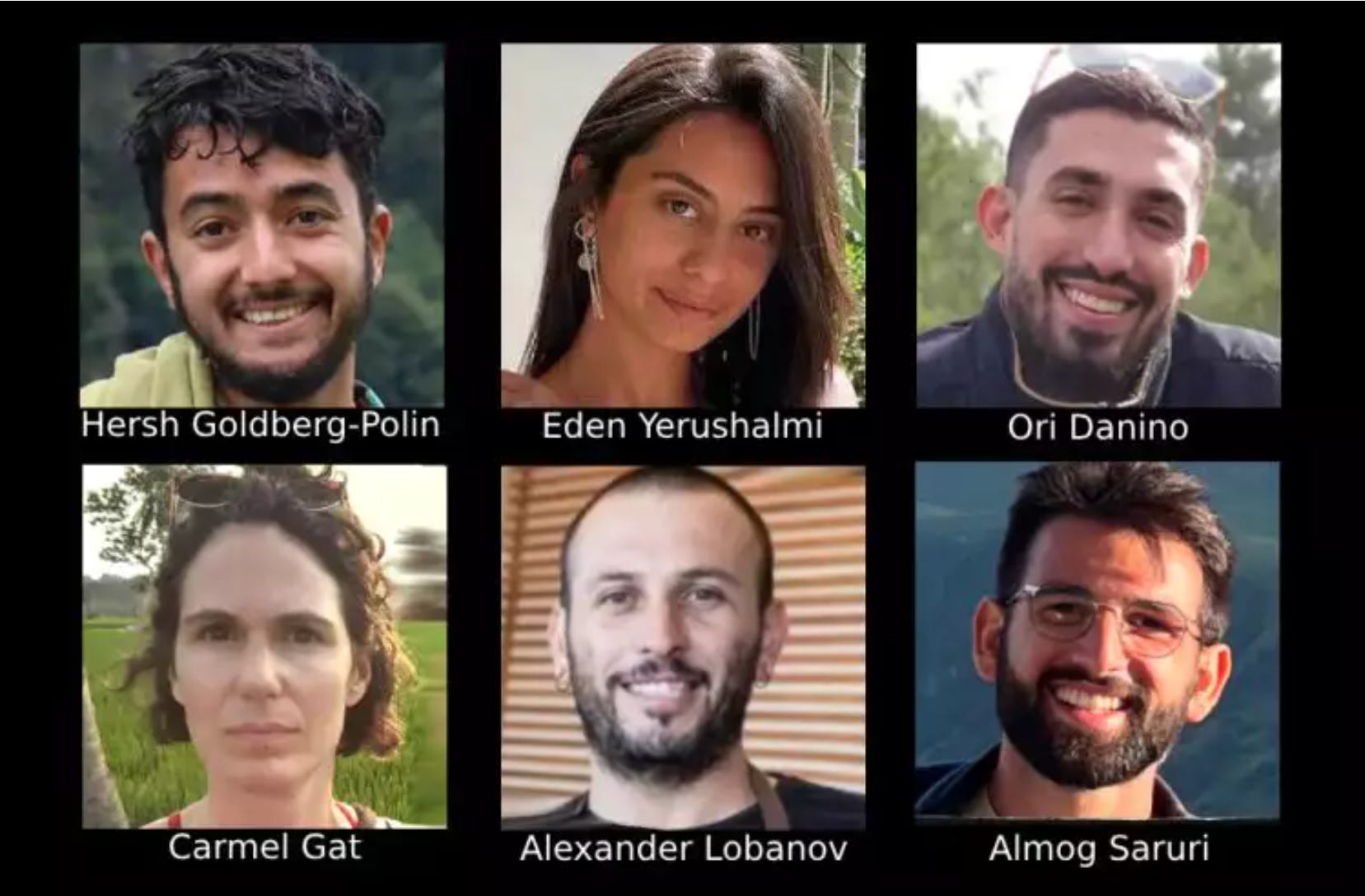
    We are heartbroken at the news of the murder of the six hostages, Eden Yerushalmi, Hirsch  Goldberg Polin, Ori Danino, Carmel Gat, Alexander Lobanov, and Almog Sururi.

    In our grief, there is sorrow and anger.  In this moment, let us sit in the pain and pray for them.

    Blessed is the true judge.