Bring in Shabbat with Take Me Higher from the Solomon Brothers
Shabbat Shalom!
The last line of Psalm 150 shared by Cantor Harold Messenger
Let all that breathe praise God
Hallelujah
Shabbat Shalom

 The political contest unfolding in the race for President is unlike anything we have witnessed. Not in recent memory have such divergent views been offered as the vision for the United States of America. But will we merely watch from the sidelines or will we engage?
It is incumbent upon us to engage. We can engage by learning all we can about the visions each candidate puts forward and sharing our thoughts with those around us. We were taught it was impolite to discuss politics. So I suggest that we discuss the issues at stake instead. We discuss our view of the government’s role in the lives of its citizens and we discuss the role of our nation in the world. Jewish values of tzedakah, social responsibility through sharing our blessings with the disadvantaged among us and creating the world we aspire to see, are at the heart of who we are as Jews and as a nation. We stand for protecting the oppressed, feeding the poor, clothing the naked, and sheltering the homeless. We must continue to champion these ideals.
Instead of delving into ugly character assassinations, let us seek to promote our particular worldview and discuss which person and which party supports our view and is equipped to fight the fights necessary to achieve that vision.
Respectful conversations about who we are and where we are going should always be welcome and they are never more important than they are now. The ultimate expression of this conversation is voting and casting a ballot for a candidate. This is the highest declaration of our commitment to our future.
Will you be a witness to history or an active part in its unfolding? The choice is yours.

This Shabbat, rather than a musical selection, I want to offer a moment to reflect on the recent tragedies and acts of horrible violence we have experienced.
Tonight the words Shamor v’Zachor will dance in my mind as the light from the flickering flames of the Shabbat candles fill the room. It will not be a joyful beautiful dance this evening. Tonight I will somberly reflect on what it means to remember and preserve Shabbat. So much violence, so many lives needlessly taken by fear and violence. How will I react?
I hope to rise above my own anger and frustration. Instead of hate, I want to resolve to be part of something better. I will look to my community and join with them as my community joins with others. I hope to become part of something greater that aligns with the message of hope instead of despair, of love instead of hate, of joy instead of pain.
Join me in committing to something better. Find your caring community and become part of it. Embrace and share the values that will transform our communities, our nation, and our world the place it ought to be. On this Shabbat let us dedicate that we will be an active part of bringing peace and wholeness to the world. May it begin with this Shabbat.
Shabbat Shalom
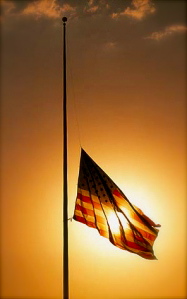 A prayer for peace this Shabbat in memory of those tragically lost to violence this past week.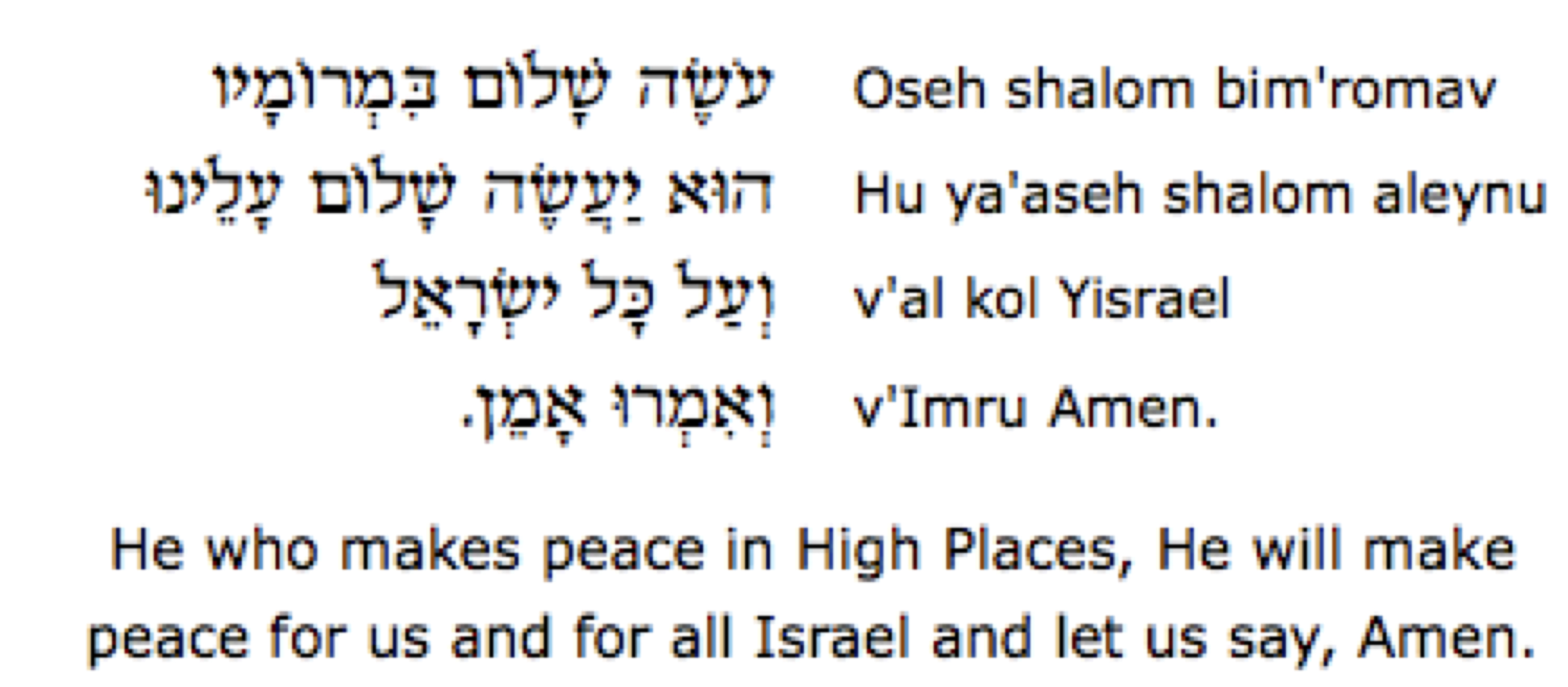

Happy July 4th!
Independence Day is special. Despite flaws, the United States is great. We are blessed to live in a land where liberty and equality are the founding principles. As a Jew, I am profoundly grateful to be a citizen where I am free and safe from the hatred that has sadly been a part of Jewish history. As Americans, we need to remain vigilant, protecting and expanding these rights for all citizens and understand that our greatness comes from all of our people and our core beliefs.
Our election comes at a time when the world and our nation are confronted by many challenges. How we respond to these challenges will be telling. Will fear make us retract and retrench, or can we rise to the occasion shining a beacon to others in the world? The value boldly asserted in the Declaration of Independence that we are “endowed by (our) creator with the right to life, liberty and the pursuit of happiness” is the bedrock of the American Experiment, the aspiration of so many across the globe and for us as well.
We have come a long way and yet there is so much further to go. We must not stop.
God bless America!
Let’s move into Shabbat together with Rabbi Geela Rayzel Raphael.
Wishing you peace and wholeness this Shabbat.
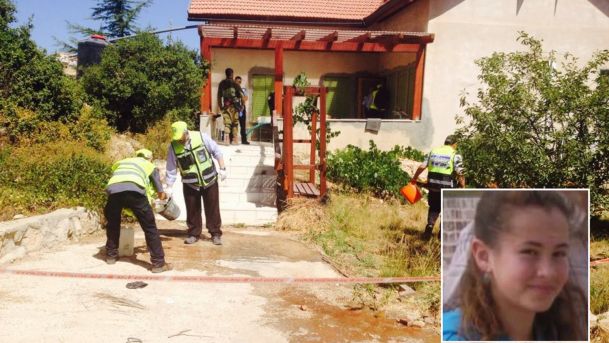
We mourn the loss of Hillel Yaffe Ariel, brutally murdered while asleep in her bed. Hatred, violence, and murder of children do nothing to further the cause of peace or coexistence. Indeed often hardens the heart making the future for two people even more difficult.
Let us take this time to grieve for this innocent child and refuse to let anger and hatred consume us.
May her memory be a blessing.
There is a TV commercial that distinguishes between simply monitoring and actively preventing identity theft. A violent bank robbery is in process. The monitor surveys the situation as the customers fall to the floor imploring this uniformed man to take action. He responds that he is merely a monitor; taking action is not his job. And yes indeed, there is a bank robbery underway.
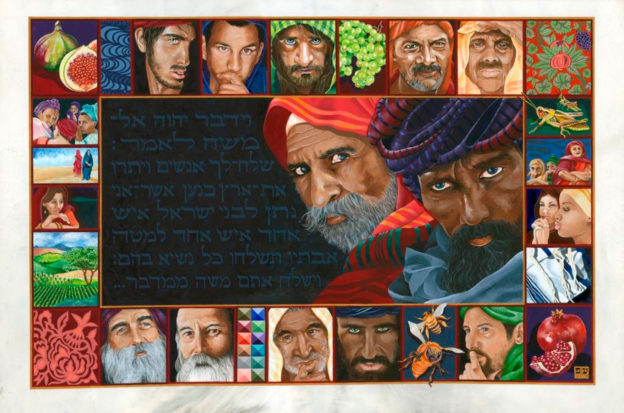
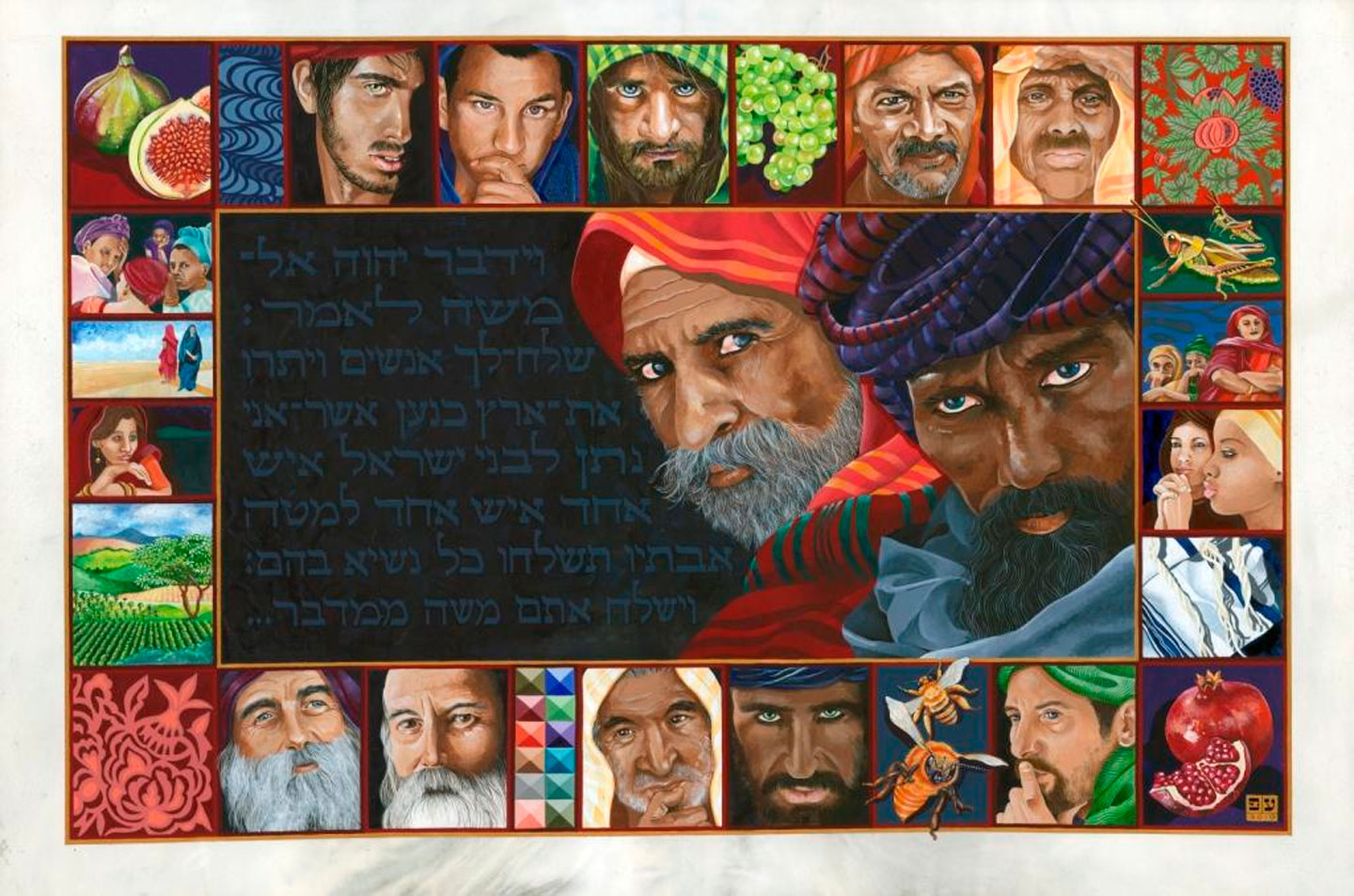 The story of the spies in Parshat Shlach seems similar. Twelve men were selected and sent out to survey the land of Canaan and report back. They did what was asked and reported what they believed they saw. An insightful rabbi taught me that the answer to a question depends on the question you ask. It also depends on the nature of the respondent.
These were twelve men, “…one man each from his father’s tribe; each one shall be a chieftain in their midst” (Num. 13:2). They were leaders within their respective clans, but were they capable as conquerors? The Hebrew word is Nasi, or Prince. They were princes of the individual tribes but not necessarily the top dog, or the General of the Army to use a military term. So were these spies conquerors or bureaucrats, men of action or fearful men of complacency and conservatism?
Had the idea of freedom and freedom’s responsibilities permeated this new Israelite society? It
seems not; for only two spies, Caleb and Joshua believed they could actually overcome their foes and possess the land. It is possible that a deliberate selection of strategists and warriors as the twelve spies would have yielded a unanimous joining of Caleb’s assessment that they could vanquish the Canaanites. However, the spies’ ability to sway the people indicated that the Israelite people were not yet ready to enter the Land and receive the promise and responsibilities that go with it.
We also, both individually and collectively, need to ask ourselves which are we? Are we agents of change like Caleb and Joshua, or agents of the status quo? Are we willing to find ways to achieve lofty goals or fearful of the risks and unwilling to reach for more hoping to preserve what we have? Often, trying to maintain the status quo is riskier than taking the chance to make something better. Although we should always be grateful for what we have, when it comes to values such as human rights, peace, justice, equality, and security, we can always aspire to something greater. The question remains, Are we willing to take the risk?
Shalom Aleichem, the welcoming of Shabbat and the Angels of Peace, sung to Bob Dylan’s “Don’t Think Twice, It’s All Right” by the wonderfully talented Rabbi Andrew Hahn, the Kirtan Rabbi.
Shabbat Shalom