(This Essay was published in the Jewish Exponent on July 27, 2026 and reprinted here)
Each time I enter the Weitzman National Museum of American Jewish History, I stop at the security checkpoint. The guards may recognize me from previous visits, but I still empty my pockets and remove my belt. Beyond the checkpoint, I put myself back together. Inside this special space, I am safe. Located on Independence Mall, across Market Street from the Liberty Bell, the museum acknowledges the Jewish community’s extraordinary place in the United States. But that specialness also makes it a target. Just two weekends ago, someone defaced the sculpture outside the Weitzman, and someone else violated the sanctity of New York’s Central Synagogue.
I won’t tell you how to feel about it. Anger, fear and grief are valid responses to these and many other assaults. We are deeply saddened that our country harbors hatred that betrays the great promise we believe in. Yet anger, fear and grief can be paralyzing. Paralysis becomes silence, and silence is the goal of those responsible for these heinous, cowardly acts. I will not give them what they want.
There is a phrase in the Talmud that I keep returning to, Kol Yisrael arevim zeh bazeh: all of Israel is responsible for one another. Arevim shares its root with eiruv, the boundary that turns separate private courtyards into a shared domain on Shabbat, so that carrying between them becomes simply what neighbors do. Arevim is about creating community. It is about refusing to treat your neighbor’s doorway as the limit of your concern.
Here is what I think a lot of us get wrong about that phrase. We hear “all of Israel” and assume it’s drawing a line: our people, not others. I don’t think that’s what it’s teaching; instead, it’s teaching that responsibility has to start somewhere concrete before it can go anywhere. For us, it starts here with us. It was never supposed to end there.
This is not a security problem. It is a relationship problem disguised as a security problem.
Let me be plain. I am not minimizing guards, locks, magnetometers, or cameras. =The Jewish Federation of Greater Philadelphia has invested real money through its community security initiative to harden facilities and keep a bad Saturday morning from becoming a funeral. I’ve sat in briefings and learned what a trained guard and a hardened building can prevent. If you give to Federation, some of what you gave helped build that. You should know it, and you should give more this year because the need did not go down this month. It went up.
But there is more for each of us to do than write a check. It’s an extension of believing we are part of a larger society, invested in each other’s safety, not just our own. We tend to treat interfaith friendship as something for calmer times: a shared meal, a joint text study, or a panel discussion with refreshments afterward. I want to suggest we have that backward. The friendships built during calm times are the real infrastructure that concrete barriers can’t replace. The guard who might recognize me at the Weitzman is not Jewish. Neither is my friend who will stand beside me and publicly declare that we support each other. Those relationships did not happen because of a program. They happened because we showed up enough times to become people to each other, not categories. Some weeks, that feels like a small thing next to everything else rabbis are supposed to do. This week, it doesn’t feel small at all.
I also want to be honest about something closer to home. The Board of Rabbis of Greater Philadelphia, which I have the honor of leading, brings Orthodox, Reform, Reconstructionist, Renewal and Conservative rabbis into the same room, even though we disagree about enormous things. Areivut does not ask us to resolve those disagreements before we act together. It asks us to act together anyway, because responsibility supersedes disagreement. If that’s true inside our own house, it has to be true at its borders, too.
So here is what I am asking of Philadelphia Jewish Exponent readers, who are already inside the tent, already connected enough to a Jewish institution to hold this publication in your hands. Call your legislators. Not an email, but an actual voice on the phone, so a staffer has to hear it and take a name. Ask what they are doing to fund security at houses of worship, ours and our Muslim neighbors’ alike, because we are both targets of the same hatred. Increase what you give to Federation’s security fund and say why.
Then do the harder thing. Think of one person outside this community, a neighbor, colleague, or parent from your kid’s soccer sideline, and call them. Share what happened at the Weitzman. Tell them what it would mean if they showed up outside your synagogue some Saturday morning, not to do anything, just to be there. They will not know you want this until you ask.
Finally, show up yourself. This Shabbat, go to shul and be counted. It costs only getting dressed and going, and it matters more than every paragraph I’ve written here. An empty sanctuary tells whoever did this that their plan worked. A full sanctuary, with a few unfamiliar faces near the door because you asked them to come, tells them something else entirely.
My email tagline says, “God’s miracle is not in the thunder and lightning. It’s in people sheltering each other from the storm.” I believe this more than ever, not because it is easier to believe now, but because I watched what happens when a community decides to test whether it is true. Areivut is not a slogan on a wall. It is your presence. It is a phone call you have not yet made.
Who is it to?
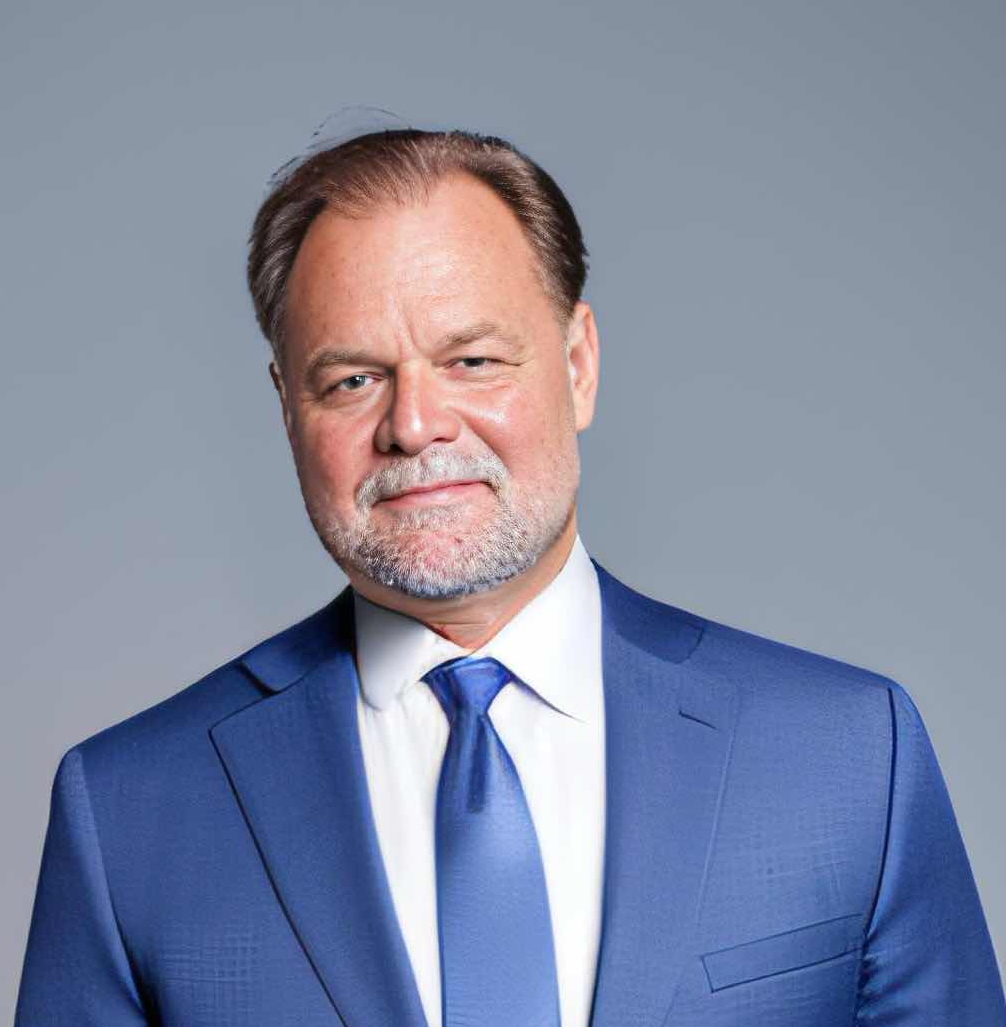
Rabbi David Levin is president of the Board of Rabbis of Greater Philadelphia and founder of the Jewish Relationships Initiative.