A New Day will Rise
Shulem brings his wonderful talents to this song of comfort and hope for tomorrow.
Shabbat Shalom
#BringThemHomeNow
A New Day will Rise
Shulem brings his wonderful talents to this song of comfort and hope for tomorrow.
Shabbat Shalom
#BringThemHomeNow

As we celebrate today, may we recommit ourselves to our founding principles shared in our Declaration of Independence, namely Life, Liberty, and the Pursuit of Happiness. Let us work towards everyone being so blessed.
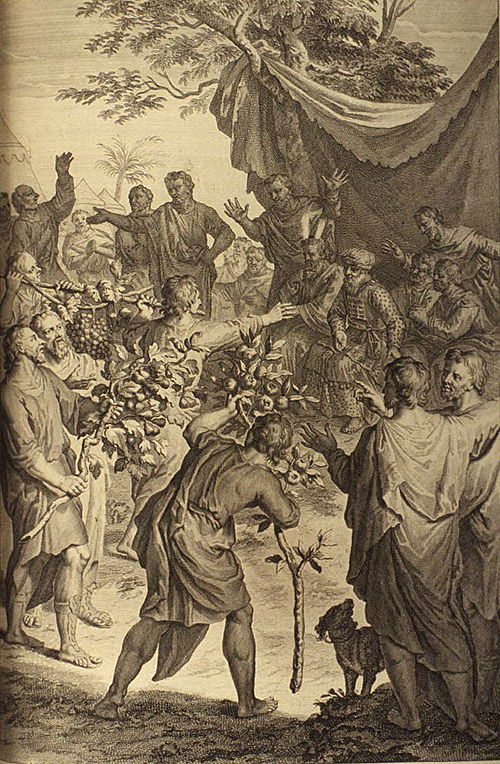 What does it take for fear to be overcome by courage? To dare, to risk, and to fight for what you believe in rather than cower?
The recent Torah portion Shlach begs these questions. Shlach, translated as “Send,” narrates the story of the 12 spies. As you recall, the unit was dispatched on a reconnaissance mission to survey Canaan. They returned with tales of a bountiful land, but one inhabited by giants, making it seem impossible to conquer. Only Caleb and Joshua believed that the Israelites could be victorious, but they were overruled.
Fear gripped the spies; the Giants were too formidable, and their fear raised paralyzing questions. Perhaps they thought—we could live without realizing the promise of the land; maybe we could make do in Mitzrayim or confined spaces. The reticence of these people exploited the vulnerabilities of this nascent nation. They defeated themselves before they were ever tested. Their doubt in themselves, their destiny, their values, and indeed their God meant that this entire generation of recently freed people needed to be replaced by those whose spirit and strength were forged by the trials and tribulations of the harsh Midbar or desert. This spirit and strength are the answers to my initial question: what does it take to overcome fear with courage?
With this strength and spirit, you know in your heart that what you possess and believe is worth fighting for and to have enough faith and courage to take the next step even into the unknown. At the same time, you remain true to your values and morals despite the horrors of warfare, facing the battle with bravery yet not losing your soul in the fog of war.
Now is the time for us moderns to embrace these lessons. More than ever in our recent history, we need to lean into our values — the things we love deeply enough to champion and fight for.
For Israel, the boldness and cunning displayed—from exploding pagers and covert Mossad agents to an aggressive air strike aimed at preemptively striking Iran, a country whose nuclear ambitions threaten Israel—are significant. It is crucial to understand that waiting and hoping, along with economic sanctions, are not always the correct responses. However, it is also necessary to honestly recognize that the costs of this fight will be high, both in lives and resources. Staying morally superior during battles against a stubborn enemy has been especially difficult during the war in Gaza.
And just like there, we face challenges here as well. Domestic rabid Jew-hatred must unite us. We must stand up for our right to live freely, securely, and safely in the United States, a land of great abundance and blessings. We will not cower in silence or fear.
This is the time to stand up and defend our values because this is our home. To those who hate Jews or anyone labeled as “the other,” we fight for the fundamental rights that form the foundation of this great country, both for ourselves and everyone else, to protect the principles of equality, justice, and liberty. The hopes of our people and our traditions are at risk, but we cannot back down.
As Americans and Jews, much is at stake. Indeed, maybe everything is at stake. The fear of the unknown cannot silence us, nor can it allow us to disregard our sacred values and act with impunity against perceived threats. By standing together and believing in ourselves, each other, and the sacredness of our tradition’s values, we will be strong, and we will prevail—Chazak v’Umatz, strength, and courage.
Barukh atah adonai eloheinu melekh ha’olam asher kidshanu b’mitzvotav v’tzivanu la’asok betzorkhei tzibur.
Blessed is the Eternal One who commands us to work on behalf of the needs of our community.
Amen
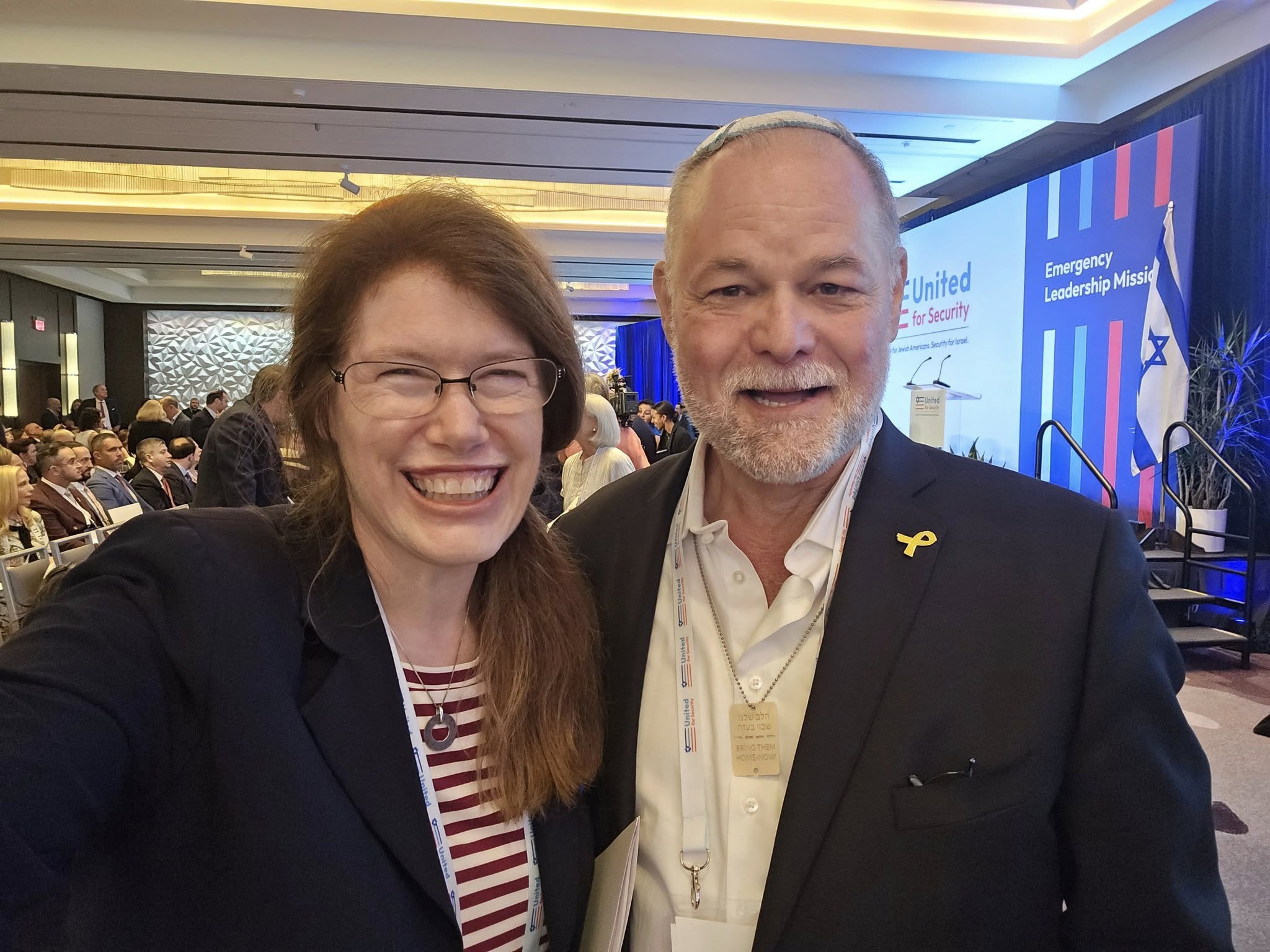 Rabbi Adrienne and I first met at Temple Micah years ago when we shared the High Holidays there in Lawrenceville, NJ. It was wonderful to see her again at the United for Security Emergency Leadership Mission in Washington, D.C., last week. Our smiles show the joy of reconnecting, but they also mask the urgent issues facing the American Jewish community. This is a time for us to come together, setting aside denominational differences, and recognizing that we are all part of the larger community of Am Yisrael. This national fly-in was to advocate on the Hill for increased funding for security and a commitment to
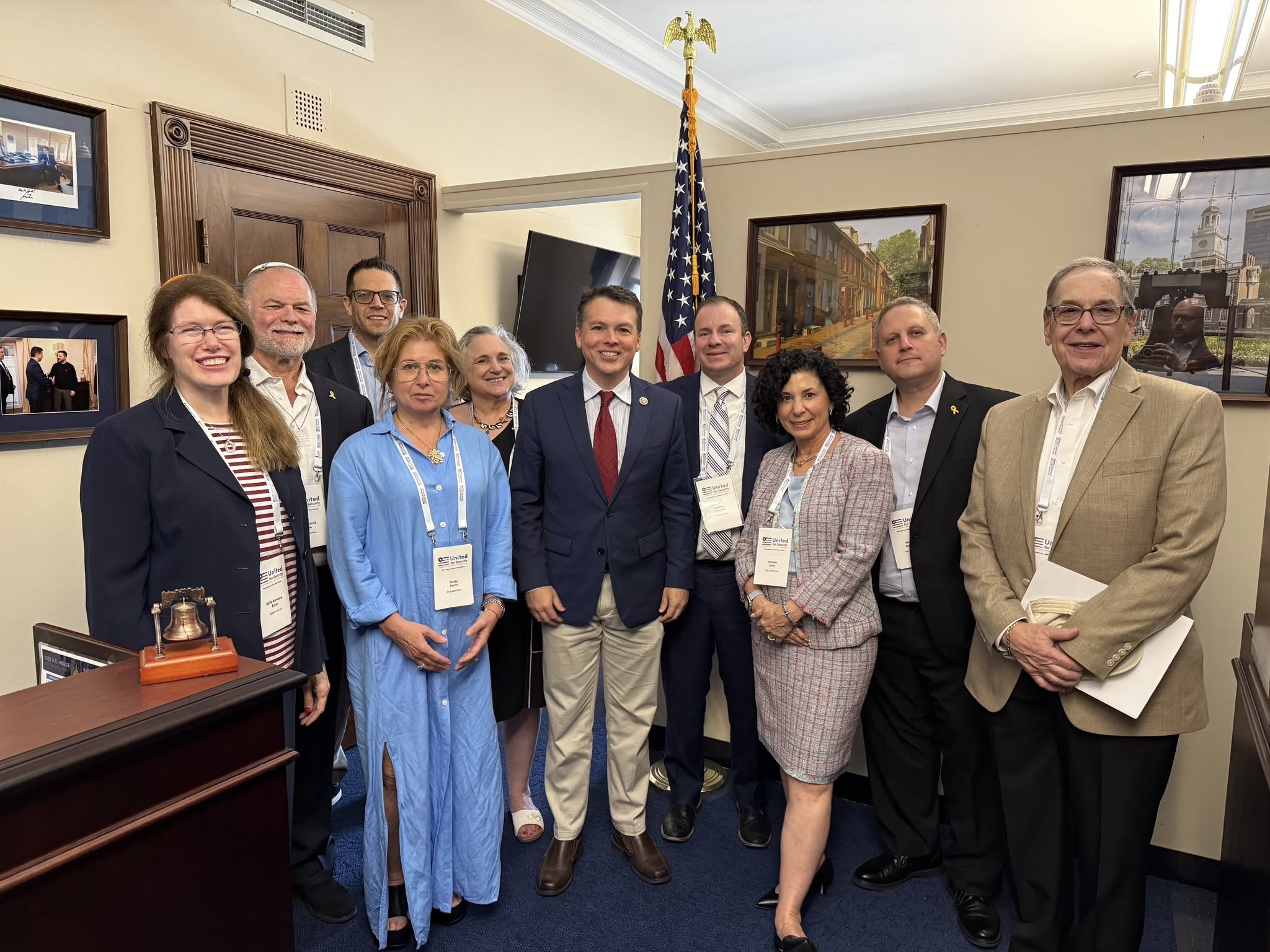
fighting Antisemitism.
We hope our advocacy efforts helped Congress and the Senate understand the unacceptable risks to our community and encouraged them to take action to protect us from those who mean us harm.
The world mourns the passing of Pope Francis. He was an extraordinary and holy man. At the age of 88, it is difficult to consider his death untimely, yet indeed, it feels that way. His pursuit of love remains a lesson unfulfilled despite his tireless efforts to lead the world toward such a place.
Naomi and I had the privilege of an audience with the Pope while in Rome a few years back. The charismatic presence was matched only by the exuberance of a faithful crowd. The encounter was memorable and moving.
His work on behalf of the poor and the suffering in the pursuit of peace and love was incredible, a mixture of Herculean and Sisyphean. But as our sage, Rabbi Tarfon shares in Pirkei Avot, although we may never complete the task, we cannot desist from it. Pope Francis leaned into the daunting, hard work of bringing a voice to the voiceless and the best values of the Church as a beacon into the darkness.
May his soul be bound in everlasting life. May he rest in Peace.
Passover asks us hard questions about what it means to be free and what our obligation is to those who are not.
Passover celebrates the redemption of our people from bondage. It is at the center of what it means to be Jewish. But it is a paradox. What does it mean to be free, particularly when our brethren are held hostage under deplorable, cruel conditions when fighting for freedom against an enemy that comes at the cost of innocents caught up in the battles?
As we gather around the Seder table this year, we celebrate. However, our celebration requires us to commit to helping those who are still not free. Break the middle matzah and hide the Afikomen for dessert later. Share the other piece as a symbol of sharing even this meager bread with those who are hungry.
No one is truly free until all are free. Whether we quote Fannie Lou Hammer, Maya Angelou, or our sacred tradition, we still have work to do to help others find their way to freedom.
Chag Pesach Sameach
#BringThemHomeNow
As we prepare for Shabbat, I share Naomi Shemer’s Al Kol Eileh, All these things, performed by Central Synagogue. a song praying for God’s protection and peace.
Shabbat Shalom,
#BringThemHomeNow
Well, Punxsutawney Phil can have his shadow, but we celebrate the 15th day of Shevat. This holiday has a fascinating history. With roots in the Bible, Tu BiShvat evolved from a biblical prohibition against eating fruit before its bearing tree is three years old into a celebration of trees, the early signs of spring, and awareness of the world we live in.
To learn more, check out this article on MyJewishLearning.com https://www.myjewishlearning.com/article/tu-bishvat-ideas-beliefs/
And here are the Shvesters sharing a Yiddish song about a tree, a boy who loved it, and his Jewish Mother.

Emma Lazarus’ famous words, inscribed at the base of the Statue of Liberty, beckon the forgotten and desperate to look towards America. Our economy is based on everyone’s contribution.
Elon Musk recognizes the need for highly skilled workers, the ‘Gifted-Minds,’ to advance productivity in our economy. He advocates for the immigration of such workers, including expanding H1B visas. However, the United States also requires physically capable workers, the “Abled-Bodies.” As much as we need engineers and scientists, we need skilled and unskilled labor for the fields, factories, and construction. Without these workers, the supply of goods and products will decrease, pushing higher prices. Even in Musk’s vision of a new technological age, we need both kinds of workers.
The unskilled view us as a land of opportunity. A functioning immigration system managing the process benefits our economy and promotes their well-being. The current system exploits workers in the worst of ways while giving us cheap food. A comprehensive system, regulations, and unionization are ways to ensure they are not exploited in the dark meaning of the word.
Arguably, the shift toward a fair living wage benefits all of us. The increased costs of a legitimate worker are offset by the reduced support people need from public assistance and the reduced burdens of immigration and the legal system, which creates taxpayers. However, a comprehensive immigration policy that promotes lawful access to our country’s opportunities is not enough; we need to go further.
The undocumented immigrants are fleeing their desperate homelands in search of economic opportunities. This is a familiar narrative. The same prospects drove many of our families to take the enormous risks of coming here. It is in our national interest to foster stable societies in these otherwise despairing and hopeless regions. By doing so, we can reduce the need to flee and alleviate the pressures on our borders.
We can and must do better than a broken system that functions as a battleground for political parties. We can strengthen our borders, build better relationships with our neighbors, and, just as importantly, create a more dynamic economy right here at home. The promise of Emma Lazarus’s words continues to inspire a new vision for America and hope for the future.
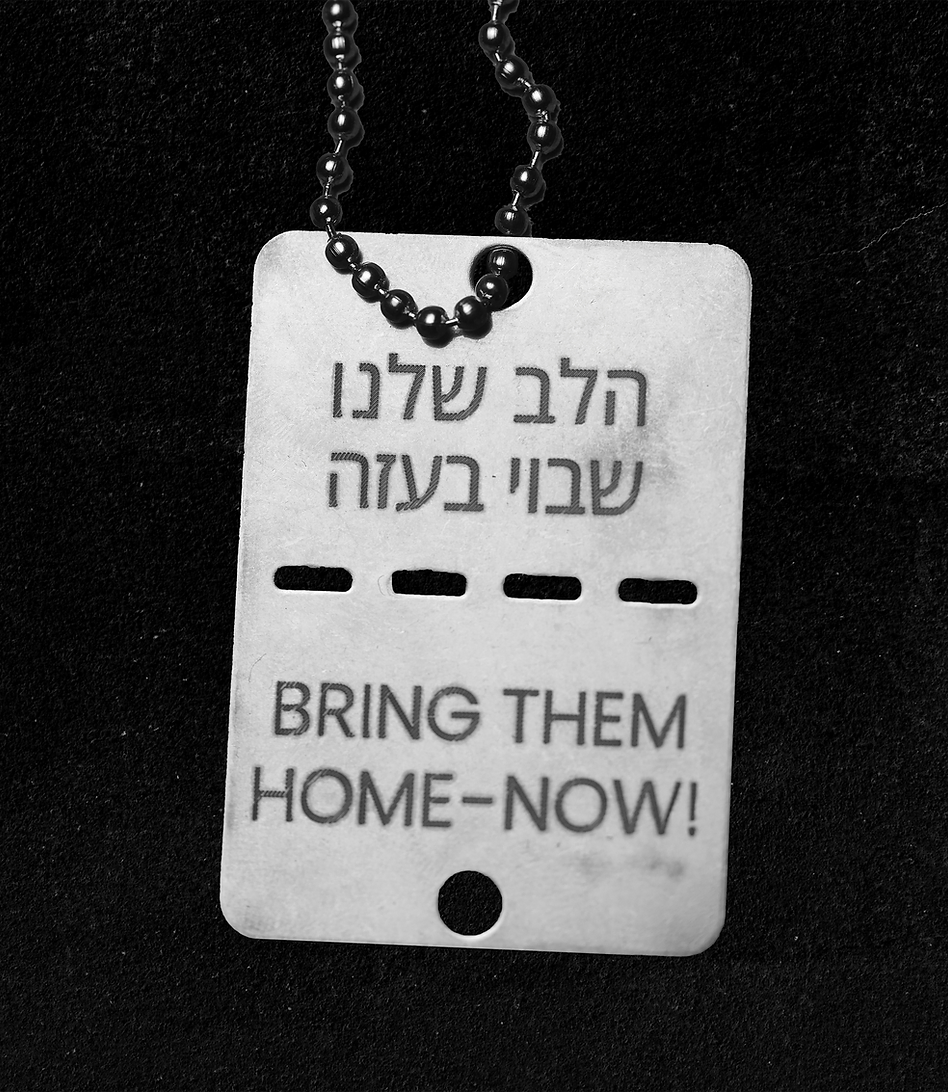 One of the horrors of the current war is the holding of the hostages. Their predicament is hopeless because their freedom depends on some level of trust, and there is no trust.
Israel and Hamas are avowed enemies. Each is dedicated to the destruction of the other. There is no middle ground, no reconciliation, no peace. With this at each core, trust cannot exist.
Hamas has fully embraced the “civilian as a weapon” idea. To give up the hostages means giving up one of its most potent weapons. The hostages have been used as shields, and many believed as a bargaining chip. But without trust, there is no incentive to use this bargaining chip, and once it is used, nothing is left. Hamas does not trust that Israel will live by an agreement; they believe Israel sees an agreement as only the means to obtaining the release of the hostages, nothing more. Once the hostages are returned, Israel will continue to prosecute the war.
Israel has displayed its commitment to destroying Hamas. As Hamas cannot be appeased, it must be eliminated. Israel has a long memory and believes in retribution. It does not trust Hamas. Israel thought it could permit Hamas to exist as it did not pose an existential threat and accepted a tenuous ceasefire. Then, October 7 happened, and whatever trust existed was shattered.
A ceasefire is a lull until it ends, and the warring begins again. This is part of the cynical lack of trust, but it is one of the few things both sides can agree upon.
War is usually fought to capitulation. One side is defeated unequivocally. The victor then dictates the terms of surrender and peace over the vanquished. This may not be possible. But until these two warring parties have more to gain by ceasing hostilities and learning to co-exist, the death and destruction will continue.
I pray that the current negotiations might prove me wrong and that the hostages will be returned. And perhaps peace might be seen as an alternative to hatred and carnage.