 As we gather around the Seder table, we find ourselves in a moment that feels uniquely challenging. While previous generations have confronted serious issues, the current landscape is unlike anything we’ve encountered in recent memory. The ongoing war is relentless, with no end in sight and no plan for what follows. Hostages remain trapped, seemingly without hope for redemption. Furthermore, we are witnessing a rise in anti-Israel sentiment, along with a resurgence of Antisemitism not just abroad but right here in the United States. Fear and anxiety permeate our lives, and rather than coming together to confront these threats, we often find ourselves at odds with each other. This moment in time is fraught with tension.
However, we have the power to respond constructively, with unity and compassion.
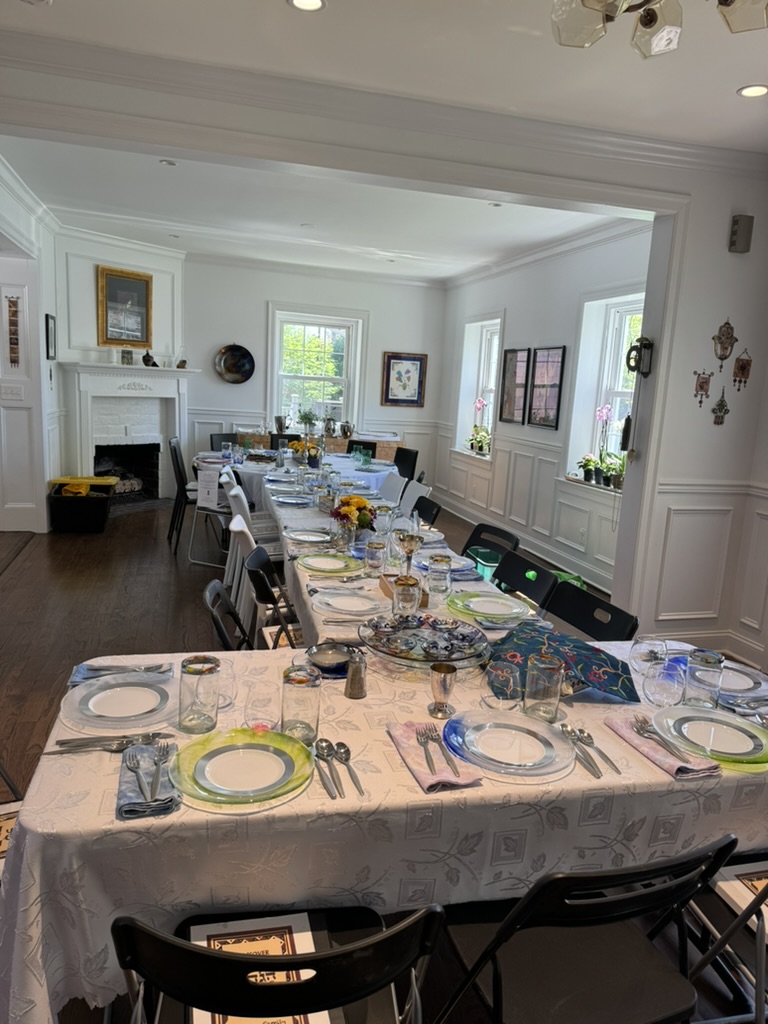
By gathering at the Seder table, we embody the spirit of inclusion with our declaration: “Whoever is hungry, come and eat!” This Passover, our hunger for spiritual and emotional support is palpable. Let us set aside our differences to share and celebrate the profound story of our people’s redemption, recognizing that each of us connects to this narrative in our own distinctive way. Our tradition highlights four individuals asking different questions—a reflection of our diverse perspectives. We ought to welcome one another, fostering an environment of understanding even amidst spirited discussions. The Shalom Bayit, the peace of the Seder table, and our unity must prevail. Now, more than ever, we need each other. This Passover, let us cherish our time with family and community, share the powerful story of redemption and freedom, and be grateful that we have one another in these trying times.
Wishing you a Zissen Pesach!